Dazhou, China
- 1,589,435 people
- 7 places to visit
- 31.2086, 107.4679
Places to Visit (7)
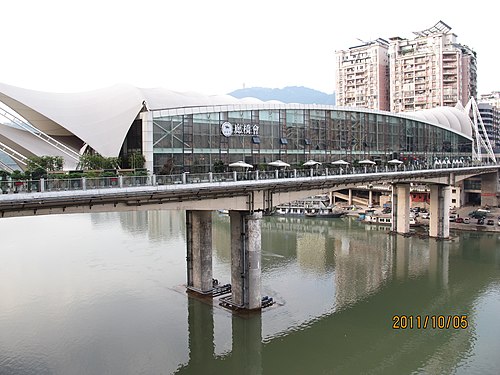
Dazhou is a city located in the northeastern part of Sichuan Province, China. It serves as a vital economic and cultural hub in the region, situated along the banks of the Jialing River. As of the latest census, Dazhou has a population exceeding three million residents, encompassing both the urban and surrounding rural areas. The city is characterized by its mountainous terrain, contributing to its scenic beauty. Dazhou plays a key role in regional trade and commerce, benefiting from its strategic location near major transportation routes that link it to neighboring regions and provinces.
Historically, Dazhou has been an important center for agriculture, with abundant resources that support rice cultivation and other crops. In recent years, it has transitioned towards industrialization, with sectors such as manufacturing, energy production, and services becoming increasingly prominent. The city is known for its production of coal, electricity, and chemical products, with several large enterprises contributing to its economic development. Dazhou is also viewed as one of the quieter cities in Sichuan, offering a balance between economic growth and traditional culture. Local festivals and customs are celebrated throughout the year, reflecting the rich cultural heritage of the area.
The city is well-connected through a network of highways and railways, facilitating trade and travel. Dazhou’s infrastructure continues to improve, with ongoing investments in transportation, housing, and public services enhancing the quality of life for its residents. The educational sector in Dazhou has developed considerably, with multiple higher education institutions offering diverse fields of study. As Dazhou continues to evolve, it aims to integrate modern urban development with the preservation of its historical and cultural identity, making it a noteworthy destination in Sichuan Province.
Facts about Dazhou
- Dazhou is known as the 'Gateway to Sichuan', serving as an important transportation hub in the province.
- The city has rich coal resources and is often referred to as the 'Coal Capital' of Sichuan, with significant contributions to China's energy sector.
- Dazhou has a long history, dating back over 2,000 years, with evidence of ancient cultural and agricultural practices.
- The Dazhou People's Park features a large statue of the famous Chinese poet Li Bai, who was born in the region, attracting literary enthusiasts.
- Dazhou hosts the annual Dazhou International Cuisine Festival, celebrating the diverse culinary traditions of the region, particularly its spicy Sichuan dishes.
- The city is home to the unique Baguazhang temple, which is dedicated to the martial art of the same name, highlighting Dazhou's cultural diversity.
- Dazhou's location at the intersection of several rivers gives it beautiful natural scenery, making it a place for outdoor activities.
- The Dazhou Economic and Technological Development Zone has been instrumental in driving regional economic growth, attracting numerous industries.
- Dazhou is known for its traditional handicrafts, including bamboo weaving and local pottery, which provide insight into the region's artistic heritage.
- The city is famous for its unique folk songs and dances, which reflect the rich cultural tapestry of the local ethnic communities.