Dębica, Poland
- 47,366 people
- 14 places to visit
- 50.0516, 21.4117
Places to Visit (14)
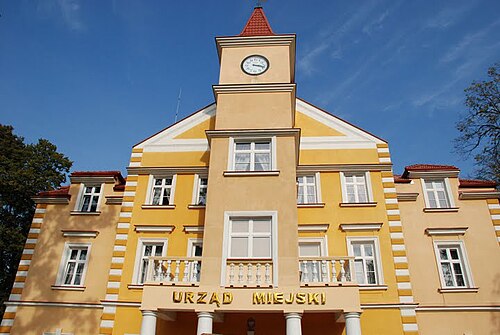
Dębica is a town situated in southeastern Poland, within the Subcarpathian Voivodeship. It lies approximately 150 kilometers from the regional capital, Rzeszów, and serves as the administrative center for Dębica County. The population of the town is around 30,000 residents. Dębica has a rich history that dates back to the Middle Ages, first mentioned in historical records in 1358. The town developed around trade routes and became a significant market center, particularly noted for its textile and shoe industries. Throughout the years, Dębica witnessed various historical events, including the impacts of World War II, during which many local inhabitants experienced significant tragedies and losses.
Economically, Dębica is recognized for its industrial output, particularly in the manufacturing sector. The Dębica Tire Factory, established in 1937, is a major employer and contributes significantly to the local economy. This factory is known for producing high-quality tires and has gained international recognition. In addition to manufacturing, Dębica has a growing service sector, driven by the education and retail industries. The town is also home to several educational institutions, including primary and secondary schools and vocational training facilities. Dębica's cultural life is enriched by various events and festivals that celebrate local traditions, alongside sporting activities that foster community spirit.
Dębica is characterized by a combination of historical architecture and modern urban development. The town features several notable landmarks, including the Church of St. Jadwiga and the Market Square, which are central to its cultural identity. Green spaces and parks offer residents recreational opportunities, enhancing the quality of life in the town. Dębica is well-connected to neighboring cities and regions through an extensive road network and public transportation, making it an attractive location for both residents and visitors. With a blend of industrial strength, cultural heritage, and community-focused initiatives, Dębica continues to evolve while honoring its rich history.
Facts about Dębica
- Dębica is known for its rich history, dating back to its founding in the 14th century, making it one of the older towns in Poland.
- The town is recognized for the Dębica Brewery, which has been a significant part of the local economy since its establishment in 1842, contributing to the region's beer heritage.
- Dębica is notable for its unique architectural blend of Gothic and Renaissance styles, particularly seen in the Church of St. Jadwiga, built in the late 15th century.
- The town hosts the Dębica Air Show, one of the prominent aviation events in Poland, attracting aviation enthusiasts and showcasing flight performances.
- Dębica is the birthplace of Jerzy Grotowski, a renowned theater director and innovator, famous for his theories on theater and performance art.
- The town is surrounded by picturesque landscapes, including the scenic Dębica Valley, which is ideal for outdoor activities such as hiking and cycling.
- Dębica has a strong tradition of sports, particularly in football, with the local team, Stal Dębica, being a key player in regional competitions.
- The town's annual Dębica Cultural Days celebrate local talents in arts and music, promoting community engagement and cultural heritage.
- Dębica is a significant hub for the automotive industry, with several major companies based in the region, enhancing its economic profile.
- The town's location along major transportation routes makes it an important logistics center, distinguishing it from many other small towns in Poland.