Debre Tabor, Ethiopia
- 125,300 people
- 11.8567, 38.0155
No places available for this city.
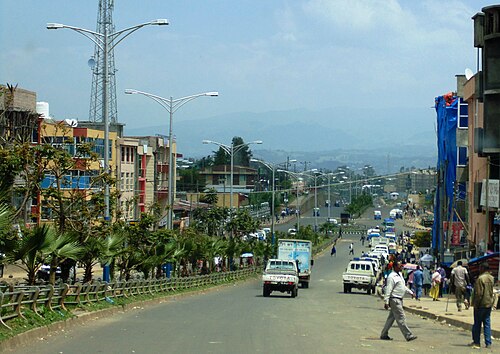
Debre Tabor is a town located in the South Gondar Zone of the Amhara Region in Ethiopia, situated at an elevation of approximately 2,700 meters (8,858 feet) above sea level. Serving as a historical and cultural hub, Debre Tabor is positioned roughly 100 kilometers (62 miles) southwest of Gondar and is accessible via road connections to other major towns in the region. The town was established in the 17th century and has played a significant role in Ethiopian history, particularly as a residence of Ethiopian emperors during the imperial era. Its name translates to "monastery on the mountain," reflecting its significance as a religious center, particularly for the Ethiopian Orthodox Tewahedo Church.
The town is known for its picturesque landscapes, being surrounded by rolling hills and mountains, which offers a unique blend of natural beauty and historical architecture. Key sites include the ancient church of Debre Tabor, which is renowned for its murals and historical significance, symbolizing the town’s rich cultural heritage. The economy of Debre Tabor is largely based on agriculture, with local farms producing grains, pulses, and other crops suited to the high-altitude climate. In recent years, the town has seen various development initiatives aimed at improving infrastructure and access to services, thereby enhancing the living standards of its inhabitants.
Despite its relatively remote location, Debre Tabor serves as a crucial commercial center for the surrounding rural population. Markets in the town operate regularly, providing an array of goods and services that cater to local needs. Furthermore, Debre Tabor is an essential stop for travelers exploring the Amhara Region, as it offers a glimpse into the traditional lifestyle of Ethiopian communities. The communal way of life is characterized by local coffee ceremonies and strong ties among residents, making it an essential part of the Ethiopian cultural experience. With its rich history and vibrant community, Debre Tabor remains a significant town within the Ethiopian landscape, attracting both visitors and scholars interested in the country’s diverse heritage.
Facts about Debre Tabor
- Debre Tabor is known for its significant role in the history of Ethiopia, particularly during the 19th century when it was a center of politics and culture.
- The city is home to the historic Debre Tabor Church, a notable example of Ethiopian Orthodox architecture, built during the reign of Emperor Menelik II.
- Debre Tabor served as the capital of Ethiopia from 1855 to 1868, a pivotal period during which the city became an important military and administrative hub.
- The city is located in the mountains of the Amhara Region, providing stunning natural scenery and a cooler climate compared to many other Ethiopian cities.
- Debre Tabor is famous for its annual cultural festival, which celebrates local traditions, music, and dance, attracting attendees from across the region.
- This city is also recognized for its educational institutions, including the University of Debre Tabor, which contributes significantly to higher education in the country.
- Debre Tabor is near the site of the historic Battle of Debre Tabor, fought in 1868, which was part of Ethiopia's struggle against foreign powers.
- The surrounding area is rich in biodiversity, including unique highland flora and fauna, making it a destination for eco-tourism.
- Debre Tabor's economy is based on agriculture, but it also has a growing trade sector that supports local artisans and craft makers.
- The city has a unique blend of ethnic groups and cultures, contributing to a diverse culinary heritage that features traditional Ethiopian cuisine.