Debrecen, Hungary
- 202,402 people
- 15 places to visit
- 47.5289, 21.6254
Places to Visit (15)
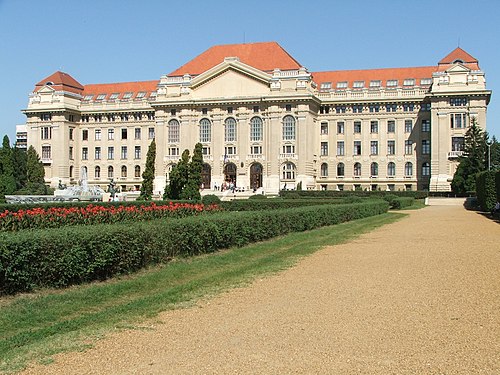
Debrecen, Hungary's second-largest city, is located in the eastern part of the country, approximately 220 kilometers east of the capital, Budapest. Known for its rich history and vibrant culture, Debrecen plays a significant role as a commercial, cultural, and educational center. The city's origins date back to the 13th century, and it has historically been a center of reform and intellectual thought. Debrecen is often referred to as the "Calvinist Rome," reflecting its significance in the Reformed Church and its role in the Protestant Reformation. The Great Church, or Nagytemplom, is a prominent landmark, symbolizing the city's religious heritage and serving as a hub for various community activities.
Culturally, Debrecen boasts a diverse array of events and institutions that highlight its artistic spirit. The annual Carnival of Debrecen and the Flower Carnival are significant festivals drawing visitors from across Hungary and abroad. The city is also home to the University of Debrecen, one of the country’s largest and most prestigious universities, which contributes to its vibrant student population and research output. Debrecen is characterized by its spacious parks, historic buildings, and a picturesque city center that combines modernity with traditional elements. The city’s economy has diversified in recent years, with sectors like technology, education, and tourism becoming increasingly important. Additionally, the city serves as a gateway to the Hortobágy National Park, a UNESCO World Heritage site, showcasing the natural beauty of the Hungarian plains. Overall, Debrecen is a city that harmoniously blends history, culture, and modern development, making it an essential destination in Hungary.
Facts about Debrecen
- Debrecen is the second-largest city in Hungary, often referred to as the 'Calvinist Rome' due to its significant Protestant heritage.
- The Great Reformed Church, one of the most iconic landmarks of Debrecen, is known for its impressive size and distinct twin towers, serving as a central place of worship and an architectural symbol of the city.
- Debrecen was the birthplace of the Hungarian Revolution of 1848, where a declaration of independence from Habsburg rule was proclaimed, leading to significant historical events in Hungary.
- The city is home to the University of Debrecen, established in 1538, making it one of the oldest universities in Hungary and a prominent educational institution in Central Europe.
- Debrecen hosts the Flower Carnival, an annual event that showcases stunning flower floats and attracts thousands of visitors, distinguishing it as a unique celebration in Hungary.
- The Déri Museum in Debrecen features a rich collection of art and archaeological artifacts, including works by Hungarian painter Mihály Munkácsy, setting it apart as a cultural hub.
- Debrecen's pride is the Grand Hotel Aranybika, which has hosted many famous figures, including the writer Ferenc Molnár and composer Béla Bartók, showcasing its historical hospitality.
- The city's vibrant thermal baths and spas, such as the Aquaticum, draw visitors for relaxation and wellness, highlighting Debrecen's appeal as a health and wellness destination.
- Debrecen is known for its unique regional delicacies, such as 'Debreceni kolbász' (Debrecen sausage), a smoked sausage variety that reflects local culinary traditions.
- The city's annual 'Civis Summorum' festival celebrates its civics heritage and diverse cultural activities, underscoring Debrecen's commitment to preserving its unique identity.