Deggendorf, Germany
- 31,081 people
- 7 places to visit
- 48.8414, 12.9572
Places to Visit (7)
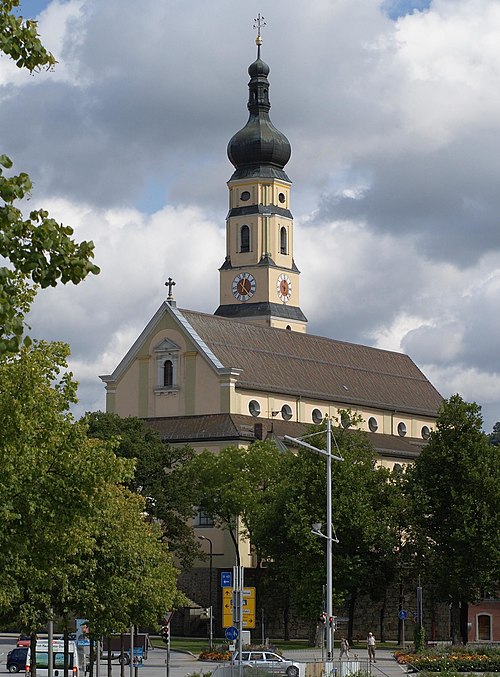
Deggendorf is a town located in Bavaria, Germany, situated on the banks of the Danube River. It is part of the Lower Bavarian district of Deggendorf and serves as an important regional hub, with a population of approximately 35,000 residents. The town is renowned for its picturesque landscape, characterized by the scenic beauty of the surrounding hills and the Danube, which has historically facilitated trade and transportation. Deggendorf is often referred to as the "Gateway to the Bavarian Forest," a national park that attracts numerous tourists for its recreational activities such as hiking and cycling.
The town has a rich history, dating back to its first documented mention in 1010. Throughout the medieval period, it developed as a market town, benefiting from its strategic location along trade routes. Architectural landmarks reflect its heritage, including the town hall built in the late 19th century and the St. Jakobus Church, a key example of late Gothic architecture. Modern Deggendorf is vibrant, featuring a mix of small local businesses and larger enterprises, particularly in sectors such as manufacturing and services. The local economy is bolstered by a strong sense of community and cultural engagement, with events like the Deggendorfer Volksfest, an annual celebration that draws visitors from surrounding areas.
In terms of education, Deggendorf hosts several institutions, including technical schools and the Deggendorf Institute of Technology, which offers various programs focusing on engineering, computer science, and business. The town is well-connected by road and rail, ensuring easy accessibility to major cities like Munich and Passau. The combination of a rich historical backdrop, thriving local economy, and commitment to education makes Deggendorf a notable place within Bavaria, balancing tradition with modern living. Its blend of natural beauty, history, and economic vitality continues to make it an appealing destination for both residents and visitors alike.
Facts about Deggendorf
- Deggendorf is known as the 'Gateway to the Bavarian Forest', making it a popular starting point for exploring the surrounding national park.
- The town features the historic 'Donaubrücke', an impressive bridge over the Danube River that connects Deggendorf to its neighboring town of Metten.
- Deggendorf was officially granted town status in 1255, but it has roots that date back to the Roman Empire, where it served as a military post.
- Home to the 'Stadtmuseum Deggendorf', the city museum showcases the rich cultural history of the region, including exhibitions on local architecture and craftsmanship.
- Deggendorf has a unique twin city relationship with Gmünd in Austria, which emphasizes cultural exchange and regional cooperation.
- The annual 'Deggendorfer Wiesenfest' is one of the largest folk festivals in Bavaria, celebrated with traditional music, food, and local craftsmanship.
- The town is recognized for its exceptional craftsmanship in glass and ceramics, evidenced by local workshops that continue traditional techniques.
- Deggendorf’s 'Clock Tower' (Uhrturm) is a prominent landmark and symbolizes the town’s historical significance in timekeeping and navigation along the Danube.
- The city is known for its significant role as a transport hub during the industrial boom, fostering trade and transport throughout Bavaria.
- Deggendorf boasts a rich sporting culture, particularly in winter sports and cycling, due to its location near the Bavarian Forest and various cycling routes.