Dehiwala-Mount Lavinia, Sri Lanka
- 219,827 people
- 6.8559, 79.863
No places available for this city.
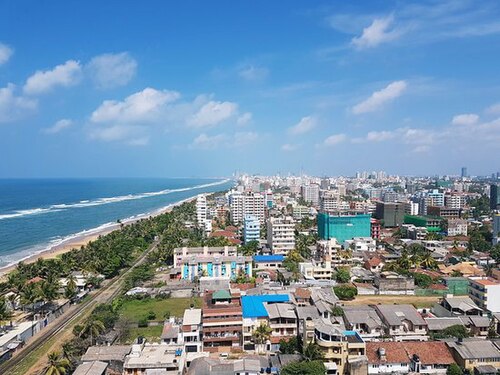
Dehiwala-Mount Lavinia is a bustling suburb located in the Western Province of Sri Lanka, nestled just south of the capital city, Colombo. This vibrant area is renowned for its picturesque beaches, historical significance, and multicultural community. The suburb was originally two separate towns—Dehiwala and Mount Lavinia—before being merged and is now a key component of the Colombo Metropolitan Region. The name "Mount Lavinia" is derived from the iconic Grand Hotel, which dates back to the 19th century and is famous for its colonial architecture and romantic history. This hotel garnered fame as the residence of Sir Edward Barnes, a British governor known for his affair with a local girl named Lavinia, a story that has become a beloved legend.
Dehiwala-Mount Lavinia serves as a significant residential and commercial hub, boasting a diverse population comprising Sinhalese, Tamils, Muslims, and Burghers. The area is rich in cultural diversity, evident in its myriad religious sites, including Buddhist temples, Hindu kovils, and churches, reflecting the blend of traditions that characterize the community. The suburb is home to several attractions, including the Dehiwala Zoo, which is one of the oldest zoos in Asia and plays a critical role in wildlife conservation and education. Furthermore, the coastline offers beautiful beaches such as Mount Lavinia Beach, which is popular for both locals and tourists, providing a vibrant atmosphere with numerous restaurants, bars, and water sports activities.
Economically, Dehiwala-Mount Lavinia has developed into a dynamic area with a mix of businesses ranging from small local shops to larger retail outlets. Its proximity to Colombo facilitates easy access to the city's commercial opportunities while still maintaining a distinct suburban feel. With educational institutions, healthcare facilities, and recreational parks, the suburb is well-equipped to cater to the needs of its residents. The area's transportation infrastructure includes bus and railway services that link it to Colombo and other regions, making it an attractive location for both living and working. In summary, Dehiwala-Mount Lavinia exemplifies a harmonious blend of history, culture, and modern urban living, making it a vibrant and essential part of Sri Lanka’s landscape.
Facts about Dehiwala-Mount Lavinia
- Dehiwala-Mount Lavinia is known for its beautiful beaches, particularly Mount Lavinia Beach, which is a popular destination for both locals and tourists.
- The city is famous for the historic Mount Lavinia Hotel, built in the 19th century, which was originally the residence of the British Governor and is now a luxurious hotel.
- Dehiwala-Mount Lavinia is home to the National Zoological Gardens of Sri Lanka, one of the oldest zoos in Asia, featuring a diverse range of animals and conservation programs.
- The city has a vibrant nightlife scene, with numerous restaurants, pubs, and cafes lining the vibrant coastal areas, distinguishing it as a hub for entertainment.
- Dehiwala-Mount Lavinia serves as an important educational center, housing several prominent schools and educational institutions, including St. Thomas' College and S. Thomas' College Mount Lavinia.
- The city celebrates the annual Dehiwala-Mount Lavinia Sinhala and Tamil New Year Festival, which promotes cultural unity and showcases local traditions through various performances and food.
- Dehiwala-Mount Lavinia features unique architectural styles, including colonial-era buildings that reflect its historical significance during British rule in Sri Lanka.
- The city's strategic coastal location makes it a key area for marine and fishing activities, significantly contributing to the local economy and culture.
- Dehiwala-Mount Lavinia is recognized for its multicultural community, with a harmonious blend of Sinhalese, Tamil, Muslim, and Burgher populations, enhancing its cultural diversity.
- The city's public transport system is well-developed, with easy access to Colombo, making it a preferred residential area for those working in the capital.