Delhi, India
- 10,927,986 people
- 15 places to visit
- 28.652, 77.2315
Places to Visit (15)
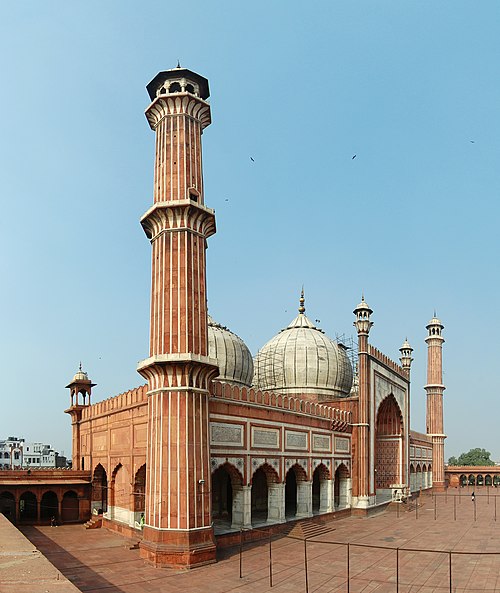
Delhi, the capital territory of India, is a vibrant metropolis that blends rich history with modern development. Located in the northern part of the country, it is one of the oldest continually inhabited cities in the world. Delhi serves as the seat of the Indian government and is divided into two main parts: New Delhi, the official capital, and Old Delhi, which reflects the city’s imperial heritage. The city is characterized by a diverse population, with its inhabitants representing various cultures, languages, and religions. Hindi and English are the predominant languages spoken, while the city is a melting pot of communities from all over India and beyond.
Historically, Delhi has been an important political and cultural center since ancient times, serving as the capital for several empires such as the Mughals and the Delhi Sultanate. Iconic landmarks such as the Red Fort, India Gate, and Humayun's Tomb showcase the city’s architectural splendor and historical significance. In addition to its historical landmarks, Delhi has rapidly evolved into a major business and educational hub, hosting numerous multinational corporations, universities, and research institutions. The city’s modern infrastructure includes an extensive metro network, airports, and expressways, facilitating connectivity both within and outside the region. Despite facing challenges such as pollution and population density, Delhi continues to thrive, reflecting a dynamic blend of tradition and innovation. Economic activities in Delhi span various sectors, including information technology, tourism, and manufacturing, making it one of the key economic engines of India.
As a cultural lynchpin, Delhi offers a rich tapestry of experiences for residents and visitors alike. The city is renowned for its culinary diversity, featuring street food stalls and high-end restaurants serving traditional Indian cuisine and international dishes. Festivals celebrating religious and cultural diversity, such as Diwali, Eid, and Holi, are celebrated with fervor. Additionally, Delhi’s museums, theaters, and art galleries provide vibrant platforms for contemporary and classical arts. The blend of ancient monuments and contemporary urban life epitomizes the spirit of resilience and adaptability that defines Delhi. It remains not only a political heartbeat of India but also a city that continually evolves, embracing the future while honoring its storied past.
Facts about Delhi
- Delhi is the capital city of India and serves as the seat of the Indian government, housing key institutions such as the President's residence (Rashtrapati Bhavan) and the Parliament of India.
- It is home to the UNESCO World Heritage Site of Qutub Minar, which stands at 73 meters, making it the tallest brick minaret in the world.
- Delhi has a unique blend of old and new, showcasing ancient monuments like Humayun's Tomb and the modern architecture of the Lotus Temple.
- The city is one of the few in the world that has an extensive metro system, known as the Delhi Metro, which is one of the largest and most efficient in India.
- Delhi hosts the annual Republic Day Parade, a grand celebration that showcases India's military strength and cultural diversity, and is attended by the President of India.
- As a major cultural hub, Delhi has been the center of various art and music festivals like the Delhi International Arts Festival and the Delhi Music Festival.
- Delhi experiences extreme weather conditions, with scorching summers and chilly winters, setting it apart from many other Indian cities that have milder climates.
- The city has a rich culinary heritage that includes diverse street foods like Chaat, Parathas at Paranthe Wali Gali, and traditional Mughlai dishes that reflect its historical lineage.
- Delhi is known for its extensive and diverse shopping opportunities, from luxury malls like Select Citywalk to traditional markets like Chandni Chowk and Dilli Haat.
- It is a major educational hub, featuring prestigious institutions like Delhi University and Jawaharlal Nehru University, which attract students from across India and abroad.