Denia, Spain
- 41,733 people
- 13 places to visit
- 38.8388, 0.1051
Places to Visit (13)
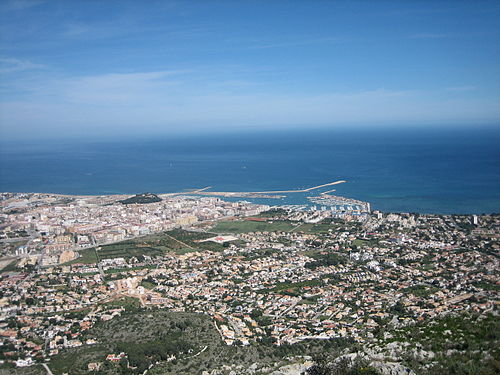
Denia is a picturesque coastal city located in the province of Alicante, on the eastern coast of Spain, within the autonomous community of Valencia. Nestled between the impressive Montgó Natural Park and the Mediterranean Sea, Denia is renowned for its stunning beaches, rich history, and charming old town. The city features 20 kilometers of coastline, which includes sandy and rocky beaches that cater to both locals and tourists. With a mild Mediterranean climate, Denia enjoys warm summers and mild winters, making it a popular destination year-round.
Historically, Denia has a rich cultural heritage that dates back to ancient times. It was originally a Roman settlement known as Dianium, established in the 1st century BC. Remnants of its Roman past, including the ruins of the Roman castle, can still be seen today, alongside the medieval architecture that reflects the city's Islamic roots. The town's historical center is characterized by narrow streets, traditional whitewashed buildings, and vibrant plazas. The annual fiestas, particularly the Las Fallas festival in March and the festive celebrations of Santíssima Sang, showcase Denia’s cultural vibrancy and community spirit, drawing visitors from all over.
Denia is also recognized for its gastronomy, particularly its seafood and traditional dishes like "gambas al ajillo" (garlic shrimp) and "cocina de olla" (stews). The city hosts a bustling port, which connects it to nearby islands like Ibiza and Majorca, making it a key travel hub in the region. Additionally, Denia is known for its wine production, particularly the sweet Moscatel wine, and its agricultural products, such as the famous "Coca de Denia," a local pastry. As a blend of natural beauty, historical richness, and culinary delights, Denia continues to charm visitors while retaining its unique cultural identity.
Facts about Denia
- Denia is renowned for its production of red shrimp, a delicacy that has earned the town its gastronomic fame and is celebrated in local festivals.
- The city features a 16th-century castle that offers stunning views of the Mediterranean Sea, making it a unique historical site among Spanish towns.
- Denia has been designated a UNESCO Creative City of Gastronomy, reflecting its commitment to culinary excellence and the promotion of traditional Mediterranean cuisine.
- The local beach, Les Marines, stretches for over 20 kilometers, making it one of the longest beach areas in Spain, appealing to both tourists and locals alike.
- Every July, Denia hosts the 'Les Fogueres de Sant Joan' festival, characterized by fireworks, bonfires, and a vibrant cultural atmosphere, distinct from other regional festivals.
- The town is located at the northernmost point of the Costa Blanca, uniquely positioned between two natural parks: Montgó Natural Park and the marine reserve of Cabo de San Antonio.
- Denia has a rich history influenced by various cultures, including the Romans and Moors, with archaeological sites such as the Roman 1st-century BC fish salting factory found along its coast.
- The city is famed for its 300 days of sunshine a year, making it a top destination for sun-seekers compared to other coastal towns in Spain.
- Denia offers a ferry service to the nearby Balearic Islands, specifically Ibiza and Formentera, providing a unique travel link not found in other Spanish coastal towns.
- The vibrant marina in Denia not only serves as a waterfront for yachts but is also a hub for water sports, distinguishing it from many other coastal towns.