Denpasar, Indonesia
- 725,314 people
- 18 places to visit
- -8.6705, 115.2126
Places to Visit (18)
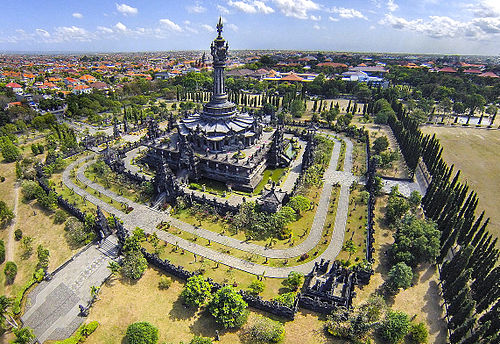
Denpasar is the capital city of Bali, Indonesia, and serves as a vibrant hub for both cultural heritage and modern urban life. Located in the southern part of the island, it is the largest city in Bali and plays a critical role in the region's economy. Denpasar was officially designated as a city in 1992, although its history stretches back to the 14th century, when it was a significant trade center. The city’s name is derived from the Balinese word "den," meaning "the place," and "pasar," meaning "market," reflecting its historical significance as a marketplace. Denpasar is characterized by its blend of traditional Balinese culture and contemporary influences, evident in its architecture, markets, and daily life.
Culturally rich, Denpasar is home to various landmarks such as the Bajra Sandhi Monument, which commemorates the struggles of the Balinese people, and the Puputan Badung Park, a recreational area that celebrates the spirit of the Balinese fight for independence. The city hosts a plethora of museums and galleries that showcase the local art and culture, including the Bali Museum, which features exhibits on Balinese history and artifacts. Additionally, Denpasar is known for its bustling marketplaces like Pasar Badung, one of the largest traditional markets in Bali, where locals and visitors can find everything from fresh produce to traditional handicrafts. With a population of over 900,000 people, Denpasar serves as a melting pot of cultures, with a majority of Balinese Hindu residents alongside various ethnic groups and expatriates.
The economy of Denpasar is largely driven by tourism, agriculture, and trade. Due to its proximity to popular tourist destinations like Kuta and Seminyak, the city attracts a steady influx of visitors, which has nurtured a thriving hospitality and service sector. Denpasar's strategic location as a transit point for travelers exploring Bali enhances its significance as a commercial center. Moreover, the city has been undergoing rapid development to accommodate the growing population and tourism demand, resulting in improved infrastructure and public services. Despite modern advancements, Denpasar remains deeply rooted in its cultural practices, with traditional ceremonies and festivals taking place throughout the year, allowing both residents and tourists to experience the rich heritage that defines this dynamic city.
Facts about Denpasar
- Denpasar is the capital of Bali province and serves as the main gateway to the island, distinguishing it from other Indonesian cities.
- The city is home to the largest traditional market in Bali, Pasar Badung, which plays a crucial role in the local economy and cultural exchange.
- Denpasar has a unique blend of Balinese culture and modern urban development, showcased in its architecture, art galleries, and cultural events.
- The Bajra Sandhi Monument in Denpasar commemorates the struggles of the Balinese people throughout history and is a significant cultural landmark.
- Denpasar hosts the annual Bali Arts Festival, a month-long celebration of Balinese arts, culture, and performances, attracting participants from across Indonesia.
- Unlike many other cities in Indonesia, Denpasar features a mix of Hindu temples and modern business centers, reflecting the island's spiritual heritage and economic progress.
- Denpasar is strategically located which allows easy access to various tourist attractions around Bali, enhancing its importance as a tourism hub.
- The city has a diverse culinary scene, offering traditional Balinese dishes such as Babi Guling and Nasi Campur alongside international cuisine.
- Denpasar houses the Bali Museum, which showcases the history and culture of the Balinese people through extensive collections of artifacts.
- The urban landscape of Denpasar is characterized by its vibrant street life, local art markets, and a juxtaposition of traditional Balinese homes and modern buildings.