Derby, United Kingdom
- 270,468 people
- 16 places to visit
- 52.9225, -1.4746
Places to Visit (16)
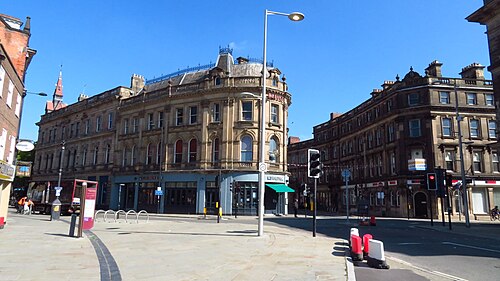
Derby is a city located in the East Midlands region of England and serves as the administrative center of Derbyshire. With a population of around 250,000, it has a rich historical background that dates back to Roman times when it was known as "Derventio." The city became an important hub in the 18th century due to its involvement in the Industrial Revolution, particularly in textile manufacturing and later in the production of railways. Derby is renowned for being the birthplace of the modern factory system, notably with the establishment of the first water-powered cotton mill by Jedediah Strutt in the late 1700s. This innovative approach to production spurred economic growth and helped solidify Derby's status as a key industrial city.
In addition to its industrial heritage, Derby is also known for its cultural offerings and educational institutions. The city is home to the University of Derby, which offers a wide range of undergraduate and postgraduate programs and contributes significantly to the local economy and community. The cultural scene includes venues such as the Derby Theatre and the Quad arts center, which host various performances, exhibitions, and festivals throughout the year. Additionally, Derby boasts a wealth of parks and green spaces, including the picturesque Markeaton Park and the serene Darley Abbey, providing residents and visitors with ample opportunities for leisure and recreation. The city is also recognized for its sporting heritage, particularly in football, with Derby County Football Club being one of the oldest clubs in the country, founded in 1884.
In recent years, Derby has embraced urban regeneration and development projects aimed at revitalizing its city center and attracting new businesses. The pride in its heritage is evident in the preservation of historic sites such as the Cathedral of All Saints, which features stunning Gothic architecture, and the Museum and Art Gallery, which showcases local history and significant artworks. Moreover, Derby's diverse population enhances its vibrant community atmosphere, with various cultural events celebrating its multicultural character. As a center of innovation, education, and culture, Derby continues to evolve while honoring its rich historical roots, making it an important city in the United Kingdom.
Facts about Derby
- Derby was the first city in the UK to establish a public park in 1840 with the creation of Derby Arboretum.
- The city is home to the historic Silk Mill, which is recognized as one of the world's first factory buildings and marked the birthplace of the Industrial Revolution.
- Derby has a significant automotive heritage, being the headquarters of Rolls-Royce and home to the iconic Derby-built Jaguar cars.
- The city hosts the UK's largest annual pilgrimage, the 'Derby Christmas Market', attracting visitors from all over the country.
- Derby is the only city in the UK that has a statue of the famous Romantic poet Lord Byron, who was born in the vicinity of the city.
- In 1974, Derby became one of the first cities to be awarded city status under the new system of city status in the UK.
- Derby is known for its unique 'Darwin Festival', celebrating the life and achievements of Charles Darwin, who was born nearby.
- The city has a rich railway heritage, with the Derby Railway Works being a key site for British locomotive production.
- Derby is home to the Derby Theatre, which is one of the few purpose-built regional theatres in the UK.
- The city has been recognized as a UNESCO City of Culture, showcasing its vibrant arts and cultural scene.