Deuil-la-Barre, France
- 21,560 people
- 48.9758, 2.3273
No places available for this city.
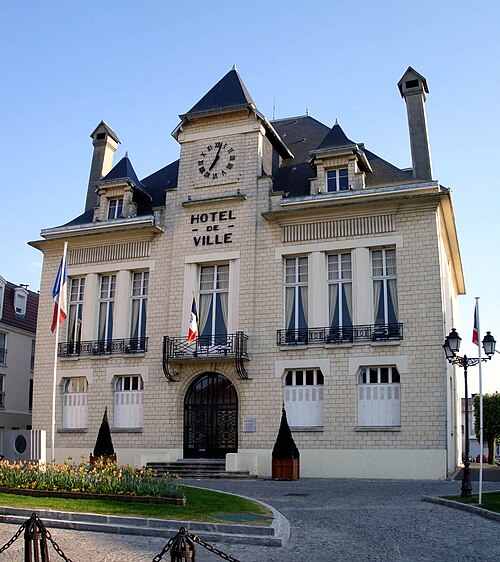
Deuil-la-Barre is a commune located in the Val-d'Oise department in the northern suburbs of Paris, France. Situated approximately 12 kilometers from the center of Paris, it is part of the Île-de-France region. The city’s history dates back to the medieval period, with references as early as the 12th century. Deuil-la-Barre developed around the Church of Saint-Jean-Baptiste, which reflects the architectural styles prevalent during its construction and has been a central landmark for the community. The commune experienced significant growth in the 19th century, thanks in part to the expansion of the Paris suburbs and the establishment of the rail network, making it accessible for commuters to the capital.
Today, Deuil-la-Barre maintains a residential character, with a population that primarily consists of commuters who work in Paris. The commune is also known for its green spaces, such as the Parc de la Mairie and various gardens, which provide recreational opportunities for residents and visitors alike. Local amenities include schools, shops, and cultural institutions, contributing to a vibrant community atmosphere. Deuil-la-Barre is well-connected through public transport, including the Transilien train service, which ensures efficient travel to and from Paris. The city's strategic location and suburban charm make it an appealing choice for those seeking proximity to the capital while enjoying a quieter living environment.
Notably, Deuil-la-Barre is also recognized for its artistic heritage. It has been home to various notable figures, including the famous playwright Henri Bernstein in the 20th century, whose works contributed to French theater. The town celebrates its cultural legacy through various community events and festivals throughout the year, fostering a sense of pride among its residents. The blend of historical significance, modern living, and cultural richness contributes to the unique identity of Deuil-la-Barre as a dynamic commune in the Île-de-France region.
Facts about Deuil-la-Barre
- Deuil-la-Barre is known for its historic 19th-century architecture, particularly the Villa des Rosiers, which reflects the opulence of that era.
- The city hosts the Église Saint-Romain, a church that dates back to the 12th century, showcasing a mix of Romanesque and Gothic architectural styles.
- Deuil-la-Barre was historically known for its contributions to the artisanal glass industry, which played a significant role in the local economy during the late 19th century.
- The Parc de la Mairie is notable for its beautiful gardens and trees, providing a peaceful retreat in the heart of the city.
- Deuil-la-Barre is uniquely part of the historical region of Île-de-France, making it an area rich in cultural and historical significance.
- The city has a vibrant cultural scene, including various art exhibitions and local festivals that celebrate the area's heritage and community.
- Deuil-la-Barre is located near the banks of the River Oise, allowing for picturesque landscapes and recreational activities along the river.
- The city’s proximity to Paris makes it a popular suburban destination, known for its family-friendly atmosphere and community resources.
- Deuil-la-Barre is home to one of the largest Jewish cemeteries in France, containing graves of notable individuals, contributing to its historical significance.
- The town is served by the Paris RER suburban train system, providing easy access to the capital, distinguishing it as a commuter-friendly area.