Deva, Romania
- 67,802 people
- 12 places to visit
- 45.8663, 22.9144
Places to Visit (12)
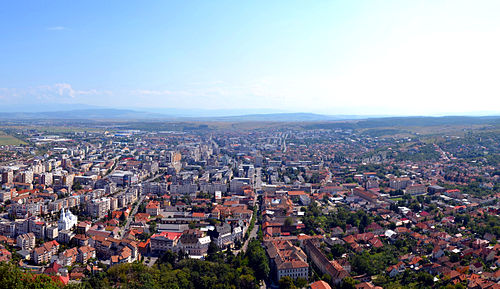
Deva is a city in Romania, located in the Hunedoara County, in the central part of the country. It lies at the foothills of the Poiana Ruscă Mountains and serves as an important cultural and economic hub for the region. With a population of around 55,000 residents, Deva is known for its historical significance and picturesque landscapes. The city is strategically positioned near major transportation routes, enhancing its accessibility and contributing to its role as a regional center.
Deva's history dates back to Roman times and is rich in cultural heritage. The city is most famous for the Deva Fortress, a medieval citadel that overlooks the city and is a prominent tourist attraction. Built in the 13th century and expanded over the centuries, the fortress has played a crucial role in the defense of the region. Today, visitors can explore its ruins and enjoy panoramic views of the surrounding area. The city's architecture reflects a blend of styles, featuring buildings that showcase the historical influences of various periods, including the Baroque and Neoclassical styles.
In addition to its historical landmarks, Deva offers a vibrant cultural scene. The city hosts several cultural events throughout the year, including music and arts festivals that highlight both local and international talent. The educational institutions in Deva, including universities and vocational schools, contribute to the local economy and foster a sense of community. Moreover, the region is known for its natural beauty, with opportunities for outdoor activities such as hiking and skiing. Overall, Deva combines its rich history, cultural vibrancy, and stunning landscapes, making it an attractive destination for both residents and tourists.
Facts about Deva
- Deva is home to the iconic Deva Fortress, a medieval fortification built in the 13th century that offers panoramic views of the city and surrounding landscape.
- The city is known for its rich historical significance as a prominent economic and administrative center during the medieval period, particularly during the reign of the Hunyadi family.
- Deva has a unique local tradition of hosting the annual Deva Music Festival, which attracts artists and music lovers from across the country and beyond.
- The city's surroundings feature the stunning Retezat National Park, which is one of Romania's first national parks, renowned for its biodiversity and hiking trails.
- Deva is recognized for its mineral springs, which have been used for therapeutic purposes since the Roman times, contributing to its reputation as a wellness destination.
- The Dacian Fortresses around Deva, including those in nearby Sarmizegetusa, are UNESCO World Heritage sites that reflect the ancient history of the region.
- Distinctively, Deva's city center is characterized by its Austro-Hungarian architectural influences, featuring charming buildings and public spaces.
- Deva is strategically located at the crossroads of several important transportation routes, making it a key logistics hub in Transylvania.
- The city celebrates the annual Bouncing Festival, a unique sporting event highlighting trampoline and acrobatic performances, showcasing local talent.
- Deva is noted for its vibrant cultural scene, including various theaters, art galleries, and museums that promote local artists and historical heritage.