Dhaka, Bangladesh
- 10,356,500 people
- 16 places to visit
- 23.8041, 90.4152
Places to Visit (16)
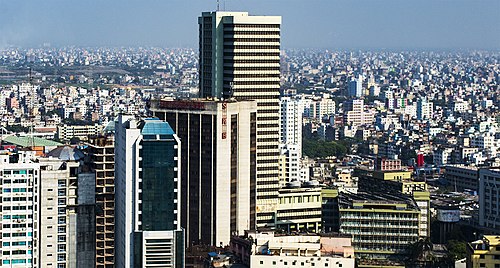
Dhaka, the capital city of Bangladesh, is one of the most densely populated cities in the world, with a population exceeding 21 million in its metropolitan area. Situated on the banks of the Buriganga River, Dhaka has served as a crucial center for trade and commerce for centuries. The city boasts a rich historical heritage, with roots tracing back to the 7th century. It became prominent in the Mughal era during the 16th century when it was established as the capital of Bengal. Today, remnants of this history can be seen in the architecture of the Lalbagh Fort, Ahsan Manzil, and various mosques and temples scattered throughout the city.
In contemporary terms, Dhaka is a bustling metropolis that highlights the contrasts of rapid urbanization. While it is a hub for garment manufacturing, contributing significantly to Bangladesh's economy, the city faces challenges such as traffic congestion, inadequate infrastructure, and pollution. The textile industry has transformed Dhaka into one of the world's leading producers of ready-made garments, attracting both local and foreign investment. The city is also known for its vibrant culture, featuring a mix of traditional and modern elements expressed through its food, music, and art. Despite its challenges, Dhaka has shown resilience and creativity, leading advancements in technology and innovation, serving as a beacon of hope and dynamism in South Asia.
Facts about Dhaka
- Dhaka is known as the 'City of Mosques' due to its vast number of mosques, estimated to be over 4,000.
- It is one of the fastest-growing cities in the world, with a population of over 21 million people in its metropolitan area.
- Dhaka was the capital of Bengal during the Mughal Empire and was once one of the biggest trading ports in the world in the 17th century.
- The city is home to the Liberation War Museum, which commemorates the Bangladesh Liberation War of 1971 and serves as an educational resource about the country's struggle for independence.
- Dhaka's Hatirjheel Lake is an iconic urban development project that transformed a previously polluted area into a picturesque public space.
- The historic Lalbagh Fort, built in the 17th century, is a significant Mughal site in Dhaka, showcasing the city's rich architectural heritage.
- Dhaka is home to the University of Dhaka, founded in 1921, which is the oldest university in Bangladesh and an important center for higher education in South Asia.
- The city hosts the Dhaka International Trade Fair, which is one of the largest trade fairs in the country, promoting local products and attracting international business.
- Dhaka's rickshaws are a unique form of transportation and are a significant part of the city’s identity; they are often ornately decorated and serve as both public transport and a symbol of local culture.
- In 2020, Dhaka was ranked as the second least livable city in the world by The Economist's Global Liveability Index, highlighting challenges related to urban density, pollution, and infrastructure.