Dihok, Iraq
- 340,900 people
- 8 places to visit
- 36.8632, 42.9885
Places to Visit (8)
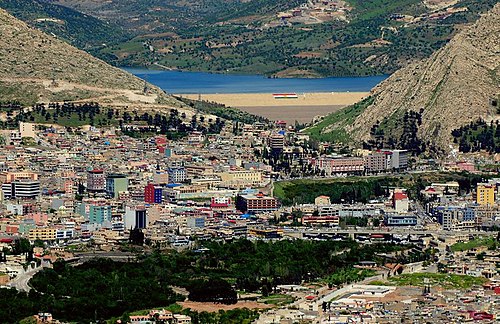
Dihok, also spelled Dohuk, is a city located in the northern part of Iraq, serving as the capital of the Dohuk Governorate. Nestled in the foothills of the Zagros Mountains, Dihok is positioned approximately 70 kilometers north of the Iraqi city of Mosul and 40 kilometers south of the Kurdish regional capital, Erbil. The city holds significant historical importance, having been inhabited for thousands of years and serving as a crucial center during various empires, including the Assyrian and Ottoman empires. Its strategic location has made it a hub for trade and cultural exchange throughout its history.
The population of Dihok is predominantly Kurdish, reflecting the broader demographic trends of the Kurdistan Region of Iraq. The city has experienced substantial growth in recent decades, fueled by an influx of displaced people and investments in infrastructure. Dihok is known for its rich cultural heritage, including ancient sites, traditional Kurdish music, and handicrafts. The region is characterized by its stunning natural landscapes, attracting visitors and hikers interested in exploring the surrounding mountains and valleys. Dihok has also developed various educational institutions, promoting an emphasis on higher learning and vocational training, which contribute to its growing economy.
In recent years, Dihok has confronted numerous challenges, including the effects of regional conflicts and the influx of refugees from nearby areas, particularly during the rise of the Islamic State in Iraq. Despite these difficulties, the city has made efforts to maintain stability and foster development. Local authorities focus on promoting tourism, as well as enhancing infrastructure and public services to accommodate its growing population. The vibrant community and scenic beauty of Dihok continue to make it an important cultural and economic center in the Kurdistan Region, reflecting the resilience and aspirations of its people.
Facts about Dihok
- Dihok, often spelled Duhok, serves as the capital of the Duhok Governorate in the Kurdistan Region of Iraq, distinguishing it from many other cities that are part of the central government structure.
- The city is located in a picturesque valley surrounded by mountains and offers a scenic landscape that sets it apart from the more desert-like areas of southern Iraq.
- Dihok is home to the ancient Gali Ali Beg waterfall, which is a popular tourist destination, showcasing the region's natural beauty and distinguishing it from other urban centers.
- The city has a significant Kurdish population and serves as a cultural hub for Kurdish traditions, languages, and customs, unlike many other cities in Iraq with a more mixed demographic.
- Dihok is known for its rich history, featuring archaeological sites such as the ancient city of Amedi, which boasts ruins dating back thousands of years.
- The city boasts a modern university, the University of Duhok, which contributes to its role as an educational center in the Kurdistan Region, attracting students from various regions.
- Dihok has been a focal point for Kurdish governance and autonomy, especially following the 2003 Iraq War, as it experienced relative stability compared to other parts of Iraq.
- The local economy of Dihok is bolstered by agriculture and trade due to its fertile lands and strategic location near the Turkish border, differentiating it from other Iraqi cities dependent on oil.
- Dihok hosts several cultural festivals, including the Duhok International Film Festival, celebrating cinema and arts, thereby promoting cultural tourism in the region.
- In recent years, Dihok has developed significantly with modern infrastructure, including shopping centers and recreational areas, marking a contrast to more war-torn cities in Iraq.