Dijon, France
- 158,002 people
- 18 places to visit
- 47.3301, 5.048
Places to Visit (18)
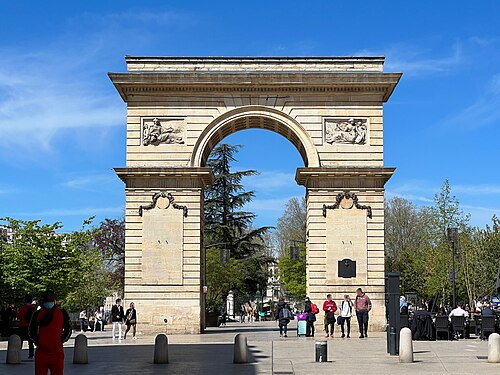
Dijon is a historic city located in the eastern part of France, serving as the capital of the Côte-d'Or department and the Bourgogne-Franche-Comté region. Renowned for its rich cultural heritage, Dijon is celebrated for its architecture, culinary significance, and vibrant history. Once the capital of the powerful Duchy of Burgundy, the city retains much of its medieval charm, with well-preserved buildings and picturesque streets that reflect its prosperous past. One of the most iconic structures is the Palais des Ducs et des États de Bourgogne, which served as the residence of the Dukes of Burgundy and now houses the Musée des Beaux-Arts. The city’s historical center, classified as a UNESCO World Heritage site, is characterized by its charming squares, cobblestone streets, and a mix of Gothic, Renaissance, and classical architecture.
Dijon is also internationally recognized for its culinary contributions, most famously its mustard. The city boasts numerous gourmet shops and markets that highlight local products, including wines from the renowned Burgundy region. Visitors can explore the gastronomy of Dijon through its many restaurants and bistros, which offer traditional dishes such as coq au vin and boeuf bourguignon. Additionally, Dijon serves as the starting point of the Route des Grands Crus, a scenic route through some of the best vineyards in Burgundy, which attracts wine enthusiasts from around the world. The city is also home to various annual events celebrating its culinary legacy, such as the Fête de la Gastronomie, which draws locals and tourists alike.
Culturally enriched, Dijon offers a diverse array of museums, theaters, and galleries that reflect its artistic heritage. The city organizes many events and festivals throughout the year, making it a lively destination. The Dijon Ducal Palace, along with the Church of Notre-Dame de Dijon, illustrates the city's historical and religious importance. Furthermore, Dijon is well-connected by public transport and rail services, making it accessible to other major cities in France. This combination of history, gastronomy, and culture makes Dijon a unique and inviting destination for travelers seeking to explore the heart of Burgundy.
Facts about Dijon
- Dijon is known for its mustard, particularly Dijon mustard, which originated in the city during the 18th century and has become a culinary staple worldwide.
- The city was the historical capital of the Duchy of Burgundy, and its rich history is reflected in its well-preserved medieval architecture and numerous historical sites.
- Dijon was proclaimed a UNESCO World Heritage site in 2015 due to its exceptional architectural heritage, including the Palace of the Dukes of Burgundy.
- The Palais des Ducs et des États de Bourgogne, located in Dijon, is notable for its stunning Gothic and Renaissance architecture and is a prime example of the city's royal past.
- The city is home to the Musée des Beaux-Arts de Dijon, one of the most important art museums in France, featuring works from the Middle Ages to the 20th century, including pieces from renowned artists like Georges de La Tour and Gustave Courbet.
- Dijon hosts the annual International Gastronomy Fair, which celebrates local and international gastronomy, attracting chefs and food enthusiasts from around the world.
- The Chartreuse de Champmol, located near Dijon, is famous for its stunning sculptures by Claus Sluter, which are considered masterpieces of medieval art.
- Dijon has an extensive tram network, making it one of the first cities in France to implement an efficient and eco-friendly public transportation system since its launch in 2006.
- The city is surrounded by the Burgundy wine region, offering proximity to some of the finest vineyards in France, including renowned appellations like Côte de Nuits and Côte de Beaune.
- Dijon is known for its vibrant cultural scene, including the 'Dijon Music Festival,' which showcases a variety of musical genres, from classical to contemporary, drawing crowds from all over France.