Dikhil, Djibouti
- 32,801 people
- 1 places to visit
- 11.1054, 42.3705
Places to Visit (1)
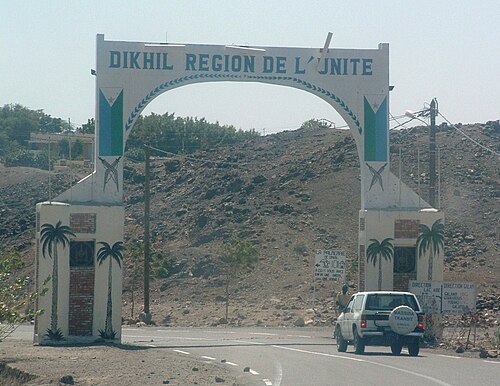
Dikhil is a prominent city located in the central region of Djibouti, serving as the capital of the Dikhil Region. Positioned approximately 150 kilometers southwest of Djibouti City, the nation's capital, Dikhil plays a vital role in the country’s cultural and economic landscape. The city, which lies at an elevation of about 800 meters, is surrounded by a semi-arid climate characterized by hot and dry conditions, with occasional rainfall typically occurring between June and September. Dikhil is known for its diverse population, consisting of various ethnic groups, including Somali and Afar communities, contributing to the city’s rich cultural tapestry.
Historically, Dikhil was a significant stop on trade routes connecting the Somali territories and the Arabian Peninsula. The city’s development accelerated during the late 20th century due to the construction of roads and other infrastructure, enhancing its accessibility and trade potential. Today, Dikhil is primarily an agricultural hub, with much of its economy based on farming and livestock, as well as camel herding, which is culturally important to the local communities. The region is also known for its burgeoning educational institutions and health services, which provide essential support to its residents. Furthermore, the city hosts various markets that are vital for local commerce, making it an integral part of the economic network in Djibouti.
In recent years, Dikhil has become increasingly recognized for its strategic significance, especially in terms of regional connectivity and security. The city has benefited from infrastructure projects aimed at enhancing transport links, which aim to improve trade routes not just within Djibouti but across the Horn of Africa. Dikhil's relative proximity to both Ethiopia and the surrounding regions further elevates its importance as a logistical and trading point. As Djibouti develops, Dikhil remains a city of growing significance, embodying the interplay of tradition and modernization in this strategically essential part of the world.
Facts about Dikhil
- Dikhil is the third-largest city in Djibouti, known for its diverse culture and demographic mix, notably including Somali, Afar, and French communities.
- The city is situated approximately 100 kilometers southwest of Djibouti City, making it strategically important as a trade and transport hub.
- Dikhil is recognized for its unique geological features, including volcanic formations and landscapes that attract geologists and nature enthusiasts.
- The town has a significant historical background as a former military outpost during the French colonial period, which influences its architecture and urban layout.
- Dikhil is home to several popular annual festivals, including the 'Dikhil Festival,' which celebrates local culture, arts, and traditions, distinguishing it from other cities in Djibouti.
- The city features the historic Mosque of Dikhil, a landmark that showcases ancient Islamic architecture and serves as a center for community worship.
- Dikhil is known for producing and trading various agricultural products, especially dates and livestock, which contributes to the local economy.
- The surrounding region of Dikhil is characterized by its rich biodiversity, including unique flora and fauna found in the nearby protected areas.
- The city acts as a gateway to the Afar region and is often used as a stopping point for travelers heading to the Erta Ale volcano, one of the world's most active lava lakes.
- Dikhil has been an important site for social and educational initiatives, including efforts to promote literacy and education among its diverse population.