Dilbeek, Belgium
- 39,482 people
- 50.845, 4.2756
No places available for this city.
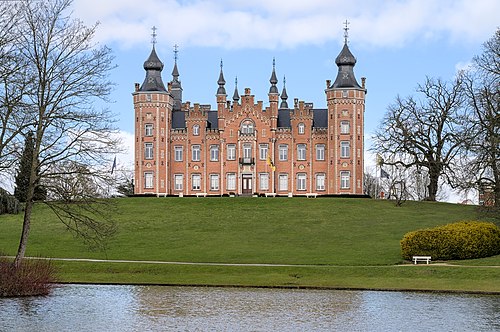
Dilbeek is a picturesque municipality located in Flanders, the Dutch-speaking region of Belgium, just northwest of Brussels. It is part of the Brussels-Capital Region's immediate suburban area and is situated within the province of Flemish Brabant. The municipality is composed of several districts, including Dilbeek proper, which is its central area, along with other notable neighborhoods such as Schepdaal, Sint-Martens-Bodegem, and Lot. Dilbeek covers approximately 32.4 square kilometers and has a population of around 40,000 residents, many of whom commute to Brussels for work or leisure. The town's strategic location, close to the capital, contributes to its residential appeal, with a mix of urban and rural elements.
Dilbeek boasts a rich history that dates back to the Roman era, evidenced by various archaeological discoveries in the area. The municipality is known for its charming, historical architecture, including the St. Anthonis Church, a significant landmark in the region. Over the years, Dilbeek has transformed from a predominantly agricultural community to a thriving suburban area, while still maintaining its natural beauty through parks and green spaces. The surrounding countryside provides opportunities for outdoor activities, and the area is also peppered with traditional Belgian cafes and restaurants that showcase the rich culinary heritage of the region. Educational facilities, including primary and secondary schools, contribute to the attractiveness of Dilbeek for families, ensuring a well-rounded community life.
Culturally, Dilbeek hosts various events and festivals throughout the year, such as local markets, musical performances, and sports competitions, reflecting the area's vibrant community spirit. Additionally, the municipality is home to several cultural institutions, including museums and community centers that promote local culture and heritage. The area's commitment to sustainability is evident in its ongoing efforts to balance urban development with environmental conservation. With its combination of historical charm, natural beauty, and modern amenities, Dilbeek presents itself as an attractive place to live and visit, offering a unique blend of urban convenience and a rural lifestyle.
Facts about Dilbeek
- Dilbeek is known for its unique blend of urban and rural environments, with a mix of suburban developments and agricultural land, distinguishing it from more urbanized cities in Belgium.
- The municipality is home to several historical churches, including the St. Annes Church, which showcases beautiful Gothic architecture dating back to the 13th century.
- Dilbeek hosts the annual 'Dilbeekse Dorpsfeesten', a local festival that celebrates community spirit with cultural performances, food stalls, and traditional games.
- The area is part of the Pajottenland region, famous for its picturesque landscapes and as the birthplace of the renowned Belgian beer, 'Lambic', often brewed in nearby towns.
- Dilbeek is recognized for its rich cycling routes, making it a popular destination for both recreational and competitive cyclists, a feature less emphasized in many other Belgian cities.
- The municipality is home to the 'Kasteel Scheut', a historic castle that serves as a cultural venue and is surrounded by beautiful gardens, contrasting with more tourist-oriented attractions found in larger cities.
- Dilbeek's community emphasizes environmental sustainability, evidenced by numerous local initiatives aimed at promoting green spaces and biodiversity, distinguishing it from more industrialized urban areas.
- Since 2018, Dilbeek has been part of the Flemish Community’s 'Smart Cities' initiative, aiming at leveraging technology for community improvement, setting it apart from older cities with less focus on innovation.
- The local cuisine features specialties such as 'Dilbeekse witloof' (Belgian endives), which is a local agricultural product enjoyed in traditional dishes across Belgium.
- Dilbeek is also home to several vibrant art galleries and cultural organizations, fostering a local art scene that differentiates it from the more commercial art markets of larger cities like Brussels.