Dili, Timor-Leste
- 150,000 people
- 8 places to visit
- -8.5563, 125.5798
Places to Visit (8)
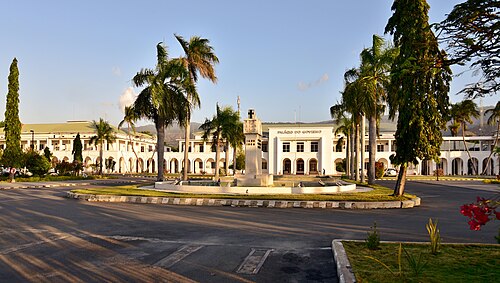
Dili, the capital city of Timor-Leste, is situated on the north coast of the island of Timor. As the most populous city in the country, Dili serves as the political, economic, and cultural center of Timor-Leste. Established as the capital during colonization by the Portuguese in the 16th century, Dili has undergone significant transformations, particularly in the context of its struggle for independence from Indonesia, which was marked by conflict, violence, and the quest for national identity. The city is characterized by a blend of Portuguese influence and local customs, evident in its architecture, language, and cuisine, making it a unique representation of the country’s historical and cultural evolution.
Dili's coastal location along the picturesque Bay of Dili provides breathtaking views, with surrounding mountains contributing to its scenic beauty. The city is home to several important landmarks such as the Cristo Rei statue, a 27-meter tall statue of Christ that stands on a hill overlooking the bay, symbolizing hope and peace for the nation. The local economy is mainly driven by agriculture, tourism, and international aid, with a growing emphasis on sustainable development. Its vibrant markets and bustling streets reflect the everyday life of its residents, while the ongoing recovery from past conflicts is evident in community initiatives and infrastructure improvements. Additionally, Dili hosts a range of cultural events, festivals, and art exhibits that showcase Timor-Leste's rich heritage, fostering a sense of pride within the population and drawing the interest of visitors. Despite facing challenges such as poverty and unemployment, Dili is steadily progressing, offering a glimpse into the resilient spirit of its people and the nation's hope for a thriving future.
Facts about Dili
- Dili is the capital and largest city of Timor-Leste, making it the political and economic center of the country.
- The city is home to the iconic Cristo Rei statue, a 27-meter tall statue of Jesus Christ overlooking the city, one of the tallest Christ statues in the world.
- Dili's coastline features beautiful beaches, including Areia Branca beach, which attracts both locals and tourists for its crystal-clear waters and stunning sunsets.
- The city has a rich history, having been a Portuguese colony for over 400 years before it was occupied by Indonesia in 1975, impacting its cultural and historical landscape.
- Dili houses the Chega! Human Rights Museum, which documents the severe human rights violations that occurred during the Indonesian occupation.
- The city hosts the annual Dili Marathon, which is not only a major sporting event but also promotes health and tourism in Timor-Leste.
- Dili's waterfront promenade, known as the Avenida dos Direitos Humanos, showcases local culture through art installations and is a popular spot for both walking and social gatherings.
- The city features the historic Igreja de Nossa Senhora de Fatima, an important symbol of the Roman Catholic faith in Timor-Leste.
- Dili serves as the main entry point for visitors arriving in Timor-Leste, with the Presidente Nicolau Lobato International Airport facilitating international travel.
- The Dili Farmers Market is a vibrant marketplace where locals sell fresh produce and traditional crafts, reflecting the city’s rich agricultural heritage.