Dillenburg, Germany
- 24,461 people
- 50.7453, 8.2808
No places available for this city.
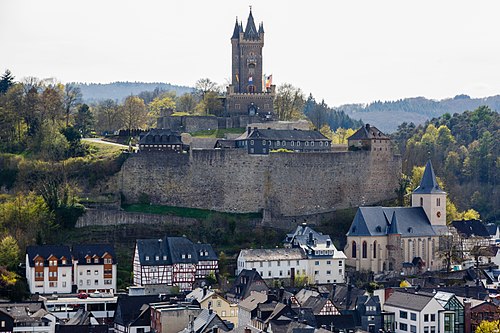
Dillenburg is a town located in the state of Hesse, Germany, nestled within the Lahn-Dill-Kreis district. With a population of approximately 18,000 residents, it serves as an important historical and cultural hub in the region. The town's origins date back to the Middle Ages, gaining prominence in the 13th century when it became the seat of the County of Nassau-Dillenburg. This streak of history is symbolized by the Dillenburg Castle, a striking Renaissance structure that once served as the residence for various counts and later became closely associated with the ruling House of Orange-Nassau. The castle is not only a significant architectural monument but also played a pivotal role during the Reformation and the Thirty Years' War.
The historical and cultural legacy of Dillenburg is further enhanced by its connection to William of Orange, a key figure in the Dutch Revolt against Spanish rule and the founder of the Dutch royal family. His birthplace, the Dillenburg Castle, has become a site of interest for many visitors who wish to delve into the historical ties between the Netherlands and Germany. Dillenburg is also known for its picturesque landscape, situated at the edge of the Westerwald hills, offering ample opportunities for hiking and outdoor activities. The town boasts several parks and recreational areas, including the scenic Dillingen Park, which highlights the natural beauty of the region.
In contemporary times, Dillenburg remains a center of local commerce and education, hosting several schools and vocational institutions. The town's economy benefits from both traditional industries and modern services, ensuring a diverse job market. Dillenburg also engages in various cultural events and festivals, showcasing its rich heritage and fostering community spirit. Its well-preserved historical sites, coupled with its vibrant local life, make Dillenburg a notable destination for those interested in German history and culture.
Facts about Dillenburg
- Dillenburg is historically significant as the birthplace of William the Silent, the leader of the Dutch Revolt against Spanish rule, making it a key site in the history of the Netherlands.
- The town is known for its impressive fortifications, particularly the Dillenburg Castle, which dates back to the 13th century and offers insights into medieval architecture.
- Dillenburg is part of the Lahn-Dill region, which is known for its thriving industries, especially in mining and textile production, setting it apart from many other German towns.
- The town was granted town rights in 1324, making it one of the older inhabited settlements in the region, distinguished from younger neighboring towns.
- Dillenburg holds an annual event called 'Dillenburger Fest,' which celebrates local traditions, culture, and history, attracting visitors from surrounding areas.
- The city's landscape is characterized by its unique hilly terrain, providing exceptional views of the surrounding forests and valleys, rare in many other German towns.
- Dillenburg has a strong connection to the Protestant Reformation, as it was a center of Reformation thought and practice in the 16th century, which shaped its cultural identity.
- The town features the 'Haus der Geschichte,' a local museum that showcases the rich history of Dillenburg and the surrounding region, offering a unique perspective compared to larger urban museums.
- Dillenburg is part of the 'German Timber-Frame Road,' showcasing picturesque half-timbered houses, reflecting traditional German building styles not always found in larger cities.
- The local economy is bolstered by various crafts and artisanal production, such as ceramics and glass, emphasizing local craftsmanship distinct from the industrial cities of Germany.