Dimāpur, India
- 135,860 people
- 25.9091, 93.7266
No places available for this city.
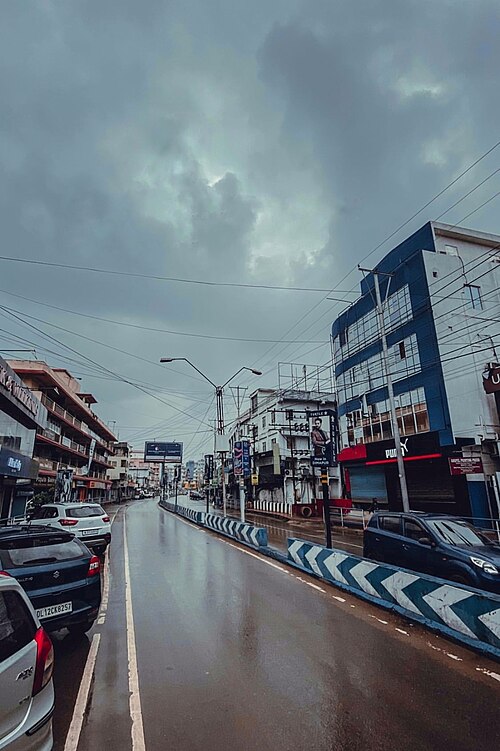
Dimāpur, located in the Indian state of Nagaland, is the second-largest city and serves as a major commercial and cultural center in the region. Encompassing an area of approximately 127 square kilometers, the city is situated near the border with the State of Assam, approximately 74 kilometers from Kohima, the state capital. Dimāpur plays a significant role in trade and transportation, functioning as a gateway to Nagaland due to its strategic location on the national highway that connects it to the rest of India. The city has a rich historical backdrop, with remnants of ancient civilizations, including the ruins of the Dimapur Fort, believed to date back to the 13th century and associated with the Kachari Kingdom.
Culturally, Dimāpur is a melting pot of various ethnic groups, primarily comprised of the Naga tribes. This diversity lends the city a vibrant cultural tapestry, seen in its festivals, traditional crafts, and local cuisine. One of the notable events is the Hornbill Festival, celebrated annually, which showcases the rich heritage of the Nagas through music, dance, and crafts. With a population of over 100,000, Dimāpur reflects urban growth and development, marked by a burgeoning economy that largely thrives on trade, agriculture, and services. As the only city in Nagaland with an airport, it is well-connected and continues to evolve as an urban center while retaining its traditional Naga culture, making it a unique place in India.
Facts about Dimāpur
- Dimāpur is the largest city in the state of Nagaland, India, serving as an important commercial hub in the region.
- The city is home to the Dhansiripar, which is known for its rich historical significance as a traditional seat of the Kachari tribe and features ancient ruins.
- Dimāpur boasts the Nilamegha Temple, dedicated to the deity of wealth and prosperity, which showcases unique Nagaland architecture and attracts many visitors.
- The city is known for its prominent role in the Hornbill Festival, a cultural extravaganza held annually in Nagaland, celebrating the state's diverse ethnic heritage.
- Dimāpur has a unique blend of cultures and communities, including several tribes such as the Ao, Sema, and Lotha, contributing to its vibrant cultural fabric.
- The local economy of Dimāpur is bolstered by trade with neighboring states and countries, as it serves as a gateway to Myanmar.
- Dimāpur Railway Station is significant as it is one of the most important railway junctions in Nagaland, connecting the state more effectively with mainland India.
- The city features the Diphupar River, which is known for its scenic beauty and is a popular spot for local residents and tourists alike.
- Dimāpur is noted for its lively markets, especially the Dimāpur Night Bazaar, where local handicrafts, textiles, and traditional foods are sold, showcasing the region's craftsmanship.
- The city is surrounded by lush green hills and is part of a biodiversity hotspot, making it a great destination for nature lovers and wildlife enthusiasts.