Dingxi, China
- 420,614 people
- 5 places to visit
- 35.5811, 104.6252
Places to Visit (5)
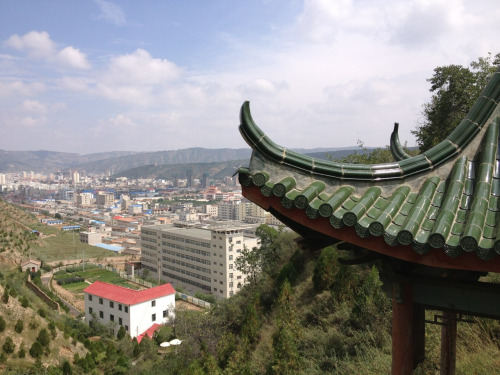
Dingxi is a city located in the Gansu province of China, with a rich history and unique cultural significance. Situated in the eastern part of Gansu, Dingxi serves as a pivotal transportation hub connecting different regions of the province and beyond. The area has a long history, dating back to ancient times, having been established as a city around 201 BCE during the Han Dynasty. Today, it is recognized for its strategic position along the ancient Silk Road, which facilitated trade and cultural exchange between East and West. The city is characterized by its diverse natural landscapes, which include mountains, rivers, and plains, contributing to a variety of local ecosystems and agricultural practices.
Dingxi is also known for its agricultural production, particularly in the cultivation of crops such as wheat, maize, and various fruits and vegetables. The city benefits from a favorable climate that supports farming and has developed a vital economy based primarily on agriculture. The region is also rich in mineral resources, including coal and nonferrous metals, which further bolster its economic activities. Culturally, Dingxi is home to several ethnic groups, including Han, Hui, and Tibetan communities, each contributing to the region's vibrant cultural tapestry through festivals, cuisine, and traditional practices. Notable attractions include the ancient Baoding Temple, which showcases Buddhist architecture and serves as a spiritual site, along with beautiful natural landscapes that draw tourists. As part of an area that has navigated both historical significance and modern development, Dingxi stands as a testament to the enduring legacy of China's cultural and historical evolution.
Facts about Dingxi
- Dingxi is known as the 'Hometown of Grape' in China due to its long history of grape cultivation and wine production, distinguishing it from many other towns.
- The city has a significant cultural connection to Liu Yuxi, a famous Tang Dynasty poet, who is celebrated in Dingxi, marking it as a place of historical literary importance.
- Dingxi is home to the scenic Wuliangye National Forest Park, which showcases unique natural landscapes and biodiversity, making it a notable destination for ecotourism in Gansu Province.
- The area is also recognized for its unique agricultural practices, particularly in the cultivation of high-quality goji berries, further establishing its agricultural reputation.
- Dingxi played a key role in early Chinese history as a strategic military area during the Han Dynasty, which gives it a distinct historical significance among other cities.
- The Dingxi Earthquake of 1920 was one of the deadliest in Chinese history, with significant infrastructure impacts, making the city's history deeply entwined with natural disaster recovery.
- The Qianling Temple, located in Dingxi, is known for its historical architecture and beautiful stone carvings, showcasing the city's artistic heritage.
- Dingxi is also recognized for its unique local cuisine, particularly the 'Dingxi Noodles,' which are a staple food and indicate the city's culinary identity.
- The city has a rich tradition of folk art, including paper-cutting and embroidery, which sets it apart as a culturally vibrant area in Gansu Province.
- Dingxi is part of a geologically rich area that features various mineral resources, contributing to its status as an emerging industrial city in China.