Dinslaken, Germany
- 70,573 people
- 14 places to visit
- 51.5674, 6.7475
Places to Visit (14)
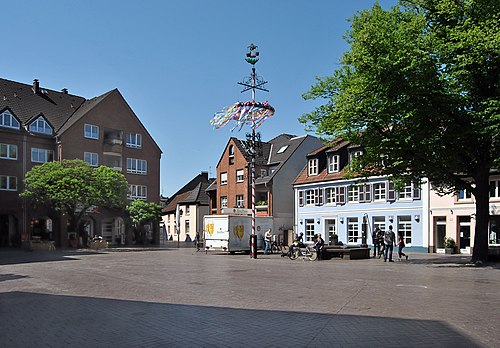
Dinslaken is a city located in the North Rhine-Westphalia region of Germany, situated in the district of Wesel. With a population of approximately 68,000 residents, the city plays a significant role in the industrial landscape of the Ruhr area. Dinslaken is strategically positioned on the banks of the River Lippe and is approximately 20 kilometers north of Düsseldorf, which enhances its connectivity to larger urban centers while maintaining its unique local character. The city's historical roots can be traced back to the early Middle Ages, and it has witnessed substantial growth and transformation over the centuries, primarily driven by industrial activities.
One of the notable features of Dinslaken is its well-preserved historical architecture, which includes the St. Vincentius Church and remnants of medieval structures that reflect its long-standing heritage. The city also offers a range of cultural and recreational amenities, including parks, festivals, and sports facilities, which contribute to the quality of life for its residents. Dinslaken is home to various industries, including metal production, logistics, and energy, which are essential to its economy. Moreover, the extensive network of transportation, including rail and road access, fosters trade and mobility, facilitating the flow of goods and services. As part of the broader Ruhr area, Dinslaken is connected to a rich tapestry of cultural and historical experiences, making it an integral part of the region's identity while continuing to evolve in response to contemporary challenges and opportunities.
Facts about Dinslaken
- Dinslaken is home to the Deutsches Linoleum-Museum, which showcases the history and art of linoleum flooring, making it unique among German towns.
- The city has a rich mining history, particularly in coal and steel production, contributing significantly to the economic development of the Ruhr area.
- Dinslaken features the only remaining roller coaster in the world from the old 'Dreamland' amusement park located outside of Paris, which was transported to Dinslaken in 2005.
- Dinslaken hosts the annual Dinslaken City Festival, known for its vibrant parades and cultural exhibitions, attracting visitors from across the region.
- The city's St. Vincentius Church is architecturally significant, with elements dating back to the Gothic period, setting it apart from many modern constructions in other towns.
- The 'Waldstadion Dinslaken' is notable for being the oldest football stadium still in use in the region, emphasizing the city’s long-standing sports culture.
- Dinslaken has a unique connection to the artist Heinrich Albertz, who was born in the city and became the Mayor of West Berlin.
- The city was significantly affected during World War II, and many historical buildings and monuments are dedicated to its resilience and history during this period.
- Dinslaken is surrounded by the natural beauty of the Rhine-Herne Canal and numerous parks, offering residents and visitors outdoor recreational activities not commonly found in urban centers.
- The city has a diverse cultural scene, including the cultural association 'Kulturbeutel Dinslaken,' which organizes various art festivals and events, distinguishing it from less culturally active towns.