Dire Dawa, Ethiopia
- 343,000 people
- 4 places to visit
- 9.6049, 41.8585
Places to Visit (4)
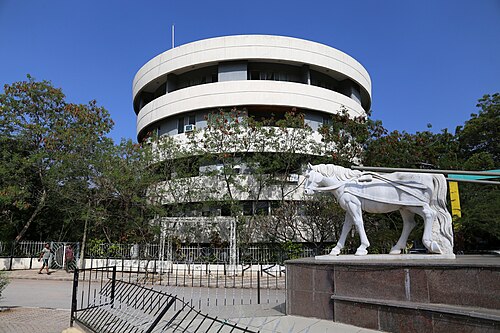
Dire Dawa is a city located in eastern Ethiopia, serving as an important commercial hub and the capital of the Dire Dawa City Administration. As the second-largest city in Ethiopia after Addis Ababa, Dire Dawa is situated at an elevation of approximately 1,200 meters above sea level, nestled between the Ethiopian Highlands and the eastern lowlands of the country. With a population of around 400,000 inhabitants, it is characterized by a diverse demographic, incorporating various ethnic groups such as the Oromo, Somali, Amhara, and Harrari. The city is well-connected by road and rail; it is the terminus of the Addis Ababa–Djibouti Railway, which enhances its status as a major trade center, particularly for goods arriving from the Port of Djibouti.
Historically, Dire Dawa was established in the early 20th century as a railway town and quickly grew into a vital economic center. The city has a rich cultural heritage, blending various traditions and languages. Its economy is supported by agriculture, trade, and industry, with significant contributions from commerce due to its strategic location. Notable points of interest in Dire Dawa include the historical buildings reflective of its colonial past, the vibrant markets, and the nearby Harar region, which is often regarded as a UNESCO World Heritage Site. The city also boasts various educational institutions and healthcare facilities, contributing to its role as a center for education and health services in eastern Ethiopia. Overall, Dire Dawa's unique blend of culture, history, and economic activity makes it an essential part of Ethiopia's urban landscape.
Facts about Dire Dawa
- Dire Dawa is one of Ethiopia's two chartered cities, which means it has a special administrative status distinct from other cities.
- The city is famously known for being a major railway hub; it is the eastern terminus of the Addis Ababa–Djibouti Railway, which was completed in 1917.
- Dire Dawa's unique location along the Awash River makes it a significant agricultural zone, particularly for producing cotton and various other crops.
- It has a diverse population with a mix of ethnic groups and languages, making it one of the most multicultural cities in Ethiopia.
- The Dire Dawa Administration is known for its unique blend of modern and traditional architecture, with buildings reflecting its colonial past.
- The city is home to the historic Harar Jugol, a UNESCO World Heritage site located just a short distance away, making it an important cultural center.
- Dire Dawa has a significant industrial base compared to other Ethiopian cities, with numerous factories and businesses contributing to its economy.
- It hosts the Dire Dawa University, which is one of the prominent higher education institutions in the region, attracting students from across the country.
- The city has a vibrant market scene, with the Dire Dawa Mercato being one of the largest and most bustling markets in the region.
- Dire Dawa experiences a unique climate, characterized by a mix of arid and semi-arid conditions, which sets it apart from the Ethiopian Highlands.