Djelfa, Algeria
- 265,833 people
- 1 places to visit
- 34.6704, 3.2504
Places to Visit (1)
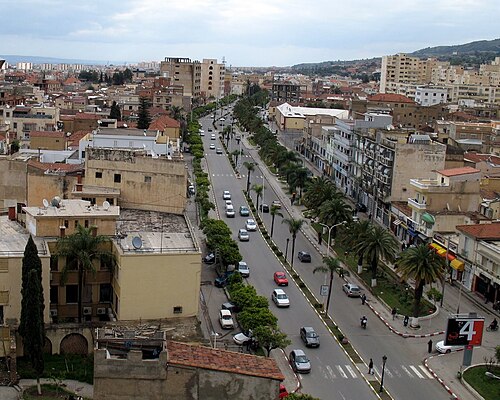
Djelfa is a prominent city located in the central part of Algeria, serving as the capital of Djelfa Province. Positioned at an elevation of approximately 1,000 meters above sea level, it is situated within the Tell Atlas mountain range and boasts a semi-arid climate. Djelfa is known for its strategic location along the historic trans-Saharan trade routes, which have influenced its development and cultural heritage over the centuries. With a population of around 200,000, the city has witnessed significant growth since the establishment of French colonial rule in the early 20th century, when it became an important administrative and economic center.
The city is characterized by its diverse demographic, with a mix of Arab, Berber, and other communities contributing to its rich cultural landscape. Djelfa is surrounded by picturesque natural scenery, featuring rolling hills and rocky terrain, making it a gateway to the Atlas Mountains. The region is primarily known for its agricultural activities, with extensive cultivation of cereals, olives, and livestock farming, which plays a vital role in the local economy. Historical sites, such as the ancient Roman ruins of Timgad nearby, further enhance Djelfa's appeal as a cultural destination.
Djelfa has been developing various sectors, including infrastructure improvements and education, to support its growing population and enhance quality of life. The city possesses several key facilities, such as schools, hospitals, and shopping areas, catering to the needs of its residents. Overall, Djelfa represents a blend of Algeria's rich history and modern aspirations, serving as both an economic hub and a cultural crossroads in this diverse North African nation.
Facts about Djelfa
- Djelfa is located in the central part of Algeria and is known for its unique geographical landscape, which includes both mountainous regions and desert areas.
- The city is recognized for its significant Berber heritage, evidenced by the numerous archaeological sites and ancient ruins in the surrounding regions.
- Djelfa is home to the ancient Roman site of Timgad, which is a UNESCO World Heritage Site and showcases well-preserved Roman architecture and urban planning.
- The city hosts the annual Djelfa Festival, which celebrates local culture, music, and traditions, attracting visitors from across Algeria.
- Djelfa is known as the capital of the Djelfa Province, which is one of the largest provinces in Algeria, encompassing a diverse range of environments and communities.
- The city is strategically located at the crossroads of major trade routes, contributing to its historical significance as a commercial hub.
- Djelfa features the largest oasis in the region, providing a crucial resource for agriculture and enhancing its economic viability.
- The local economy is heavily based on agriculture and livestock farming, particularly the rearing of sheep and goats, distinguishing it from more industrialized urban centers.
- Djelfa contains several important historical landmarks, including the Djelfa Citadel, which offers insights into the region's past and architectural styles.
- The city is often referred to as the 'Gateway to the Sahara' due to its proximity to desert landscapes, making it a popular starting point for desert expeditions.