Djibouti, Djibouti
- 626,512 people
- 4 places to visit
- 11.589, 43.145
Places to Visit (4)
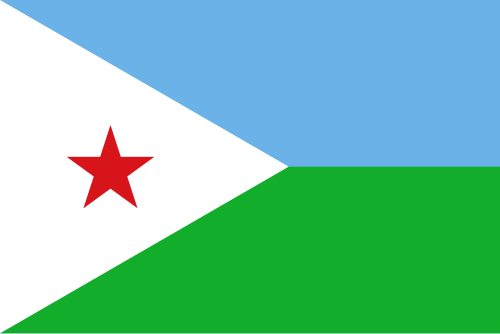
Djibouti, the capital of the Republic of Djibouti, is a bustling port city located on the Horn of Africa, at the southern entrance to the Bab-el-Mandeb Strait, which connects the Red Sea to the Gulf of Aden. Established in the late 19th century as a coaling station for steamships, it has evolved into one of the most strategically significant ports in Africa. The city serves as a vital shipping hub for trade between the Middle East, Europe, and the rest of Africa, greatly benefitting from its advantageous geographic position. Djibouti's economy is mainly driven by its port operations and related services, making it a key player in regional logistics and maritime trade.
The city is characterized by a mix of cultures and influences, with a population that includes Afar, Issa Somali, and various ethnic groups. Djibouti has a vibrant cultural landscape, reflecting its history as a crossroads for different civilizations. The official languages are French and Arabic, while Somali and Afar are widely spoken. The city features a blend of modern infrastructure and traditional markets, with notable landmarks such as the Place Menelik and the Central Market. Djibouti also offers natural attractions, including the stunning Gulf of Tadjoura and Lake Assal, which is known as the lowest point in Africa. Despite challenges such as unemployment and limited natural resources, Djibouti is experiencing growth, bolstered by its strategic location, improving infrastructure, and investments in key sectors like telecommunications and renewable energy.
Facts about Djibouti
- Djibouti City is the capital and largest city of Djibouti, serving as the country's primary economic and cultural hub.
- The city is strategically located at the southern entrance of the Red Sea, making it a crucial shipping and logistics center for international maritime trade.
- Djibouti City is home to the historic Place menelik, a key gathering point that reflects the city's colonial past and local culture.
- The city hosts the Port of Djibouti, which is one of the busiest ports in the region and a vital transit point for goods going to and from Ethiopia.
- Djibouti City has a diverse population comprising various ethnic groups, including Afar, Somali, and French communities, contributing to its multicultural atmosphere.
- The Stade de la République is located in Djibouti City, making it the premier sports venue in the country, hosting national and international events.
- In Djibouti City, you can find the keenly visited Presidential Palace, illustrating the political significance and administrative center of the country.
- The city features several vibrant markets, such as the Big Market (Le Grand Marché), known for its array of spices, textiles, and local crafts.
- Djibouti City's climate is classified as arid, characterized by high temperatures and minimal rainfall, which distinguishes its environmental conditions from the rest of the country.
- The city is also a center for military presence, hosting the largest foreign military base in the region, with personnel from countries like the USA and France.