Djougou, Benin
- 94,773 people
- 1 places to visit
- 9.7081, 1.6664
Places to Visit (1)
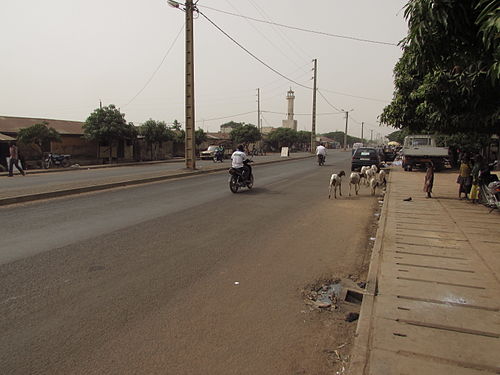
Djougou is a vibrant city located in the northwestern region of Benin, situated approximately 360 kilometers from the capital city of Cotonou. As the chief town of the Djougou Department, the city serves as a critical economic and cultural hub within the region. Djougou has a diverse population that primarily consists of various ethnic groups, including the Fon, Bariba, and Peul, reflecting the rich tapestry of cultures that contribute to the city's character. The local economy is predominantly agrarian, with agriculture forming the backbone of the livelihood of many residents. Common crops cultivated in the area include cassava, yams, maize, and millet, and trade in these agricultural products significantly impacts the region’s economy.
The city is known for its markets, which are bustling centers for commerce where local farmers and traders sell their goods, fostering a sense of community and economic interaction. Djougou is also notable for its scenic landscapes, with nearby natural attractions such as the Pendjari National Park, which is a UNESCO Biosphere Reserve and home to a rich variety of wildlife, including elephants, lions, and antelope. This proximity to nature makes Djougou an attractive destination for eco-tourism and adventure seekers. Additionally, Djougou is characterized by its unique architectural styles, blending modern structures with traditional mud houses, creating a visually appealing environment. The city hosts several cultural festivals and events throughout the year, celebrating the artistic traditions of its diverse ethnic groups, which include vibrant music, dance, and crafts.
Despite its relatively small size, Djougou plays a significant role in the cultural and economic landscape of Benin. With ongoing investments in infrastructure and services, including education and healthcare, there are opportunities for further development and growth. The city’s strategic location also provides a gateway for trade and transportation to neighboring countries in West Africa. Overall, Djougou stands out as a key city that embodies the rich cultural heritage and economic potential of Benin, making it a unique focal point in the region.
Facts about Djougou
- Djougou is often referred to as the 'Gateway to Northern Benin' due to its strategic location at the crossroads of key transportation routes.
- The city is known for its vibrant and diverse cultural landscape, heavily influenced by various ethnic groups, including the Somba and the Gourmanché.
- Djougou hosts the annual Djougou Festival, a cultural event that celebrates traditional music, dance, and arts, attracting visitors from across the region.
- The nearby Parc National de la Pendjari, a UNESCO Biosphere Reserve, is accessible from Djougou and is a prime location for wildlife enthusiasts.
- Djougou is home to the famous 'Republique des Fâtes', a unique market that operates only during festivals, attracting merchants and visitors from all over the country.
- The city has a rich history as a trading post, historically connecting the coastal areas of Benin with the neighboring countries of Burkina Faso and Niger.
- Djougou is recognized for its traditional crafts, especially weaving and pottery, which are integral to the local economy and culture.
- Notably, Djougou has a thriving agricultural sector, primarily producing crops like maize, cassava, and yams, which are crucial to local livelihoods.
- The city is situated near the Djougou Dam, which provides important hydroelectric power and irrigation support to the surrounding areas.
- Djougou's ethnic diversity is celebrated in its various traditional ceremonies, which often include colorful costumes and elaborate masks, unique to the region.