Dodoma, Tanzania
- 180,541 people
- 6 places to visit
- -6.1811, 35.7469
Places to Visit (6)
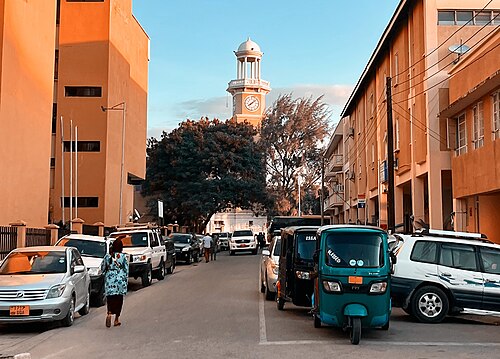
Dodoma is the capital city of Tanzania, located in the central part of the country. Established as the official capital in 1974, it replaced Dar es Salaam to promote more even development across the nation. Situated at an elevation of approximately 1,100 meters (3,600 feet), Dodoma features a hot semi-arid climate, characterized by distinct wet and dry seasons. The city experiences a yearly rain average of about 600 millimeters (24 inches), primarily falling between November and April. As of the latest estimates, Dodoma is home to over 400,000 residents, making it one of Tanzania's fastest-growing urban areas.
The city serves as the political and administrative hub, housing the Parliament, numerous government offices, and foreign embassies. Dodoma is also known for its agricultural significance, situated in a region that supports agriculture due to fertile soil and favorable conditions. The surrounding areas primarily produce crops such as maize, beans, and sunflowers, playing a critical role in the local and national economy. Cultural landmarks in the city include theDodoma Roman Catholic Cathedral and the National Museum, which showcase the diverse history and heritage of Tanzania. Although still developing its infrastructure, Dodoma has seen improvements in transport and connectivity, including the construction of roads and the expansion of the Julius Nyerere International Airport to support increasing domestic and international travel.
While Dodoma is on a path of transformation, with ongoing urbanization and investment, it continues to maintain its traditional charms, reflecting Tanzania's rich culture and history. The city's central location offers easy access to the rest of the country, making it a strategic focal point for commerce and trade. The expanding population and evolving urban landscape indicate that Dodoma is poised for continued growth as both a political center and a thriving city in Tanzania.
Facts about Dodoma
- Dodoma is the capital city of Tanzania, officially designated as such in 1974, moving the capital from Dar es Salaam.
- It is strategically located in the central part of the country, making it more accessible to citizens from all over Tanzania.
- Dodoma is known for its vast open spaces and is often referred to as a 'planned city', with well-laid-out infrastructures and zoning.
- The city hosts the National Assembly of Tanzania, where parliamentary sessions and government meetings are held.
- Dodoma has several historical landmarks, including the iconic Clock Tower, which marks the center of the city.
- The city is home to the renowned Dodoma International Airport, which facilitates both domestic and international air travel.
- Dodoma has a growing wine industry, being the only region in Tanzania known for producing locally made wines, particularly from the nearby vineyards.
- The city acts as a cultural hub, hosting events such as the Dodoma International Trade Fair, which promotes local businesses and trade.
- Dodoma's landscape is characterized by rocky hills and is home to several natural reserves, including the Dodoma Urban Forest.
- The city has a rapidly growing population, with a diverse mix of ethnic groups and cultures, contributing to its unique urban identity.