Döbeln, Germany
- 21,338 people
- 9 places to visit
- 51.1229, 13.1167
Places to Visit (9)
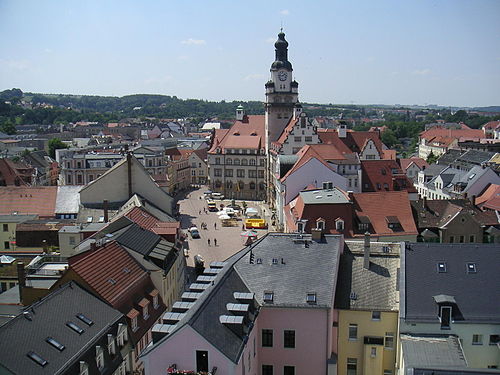
Döbeln is a town located in the Free State of Saxony, Germany, situated at the confluence of the Zschopau and Döbelner watercourses. With a population of approximately 21,000 inhabitants, it serves as a regional center for culture and commerce. The town is characterized by its historical architecture, with roots tracing back to its founding in the late 12th century. Döbeln was officially granted town privileges in 1333, growing significantly due to its strategic position on important trade routes. Its historical backdrop reflects a blend of various architectural styles, with remnants of medieval buildings, Renaissance influences, and modern structures.
Döbeln is well-known for its rich cultural heritage and a variety of local traditions. The town hosts the annual Döbeln Stadtfest, which celebrates local history, culture, and cuisine, attracting visitors from surrounding areas. One of the notable landmarks is the St. Nikolai Church, a late Gothic structure constructed in the 15th century, renowned for its beautiful stained glass windows and impressive altar. The town has made strides in preserving its green spaces, with parks and recreational areas that enhance the quality of life for residents and visitors alike. The surrounding countryside features beautiful landscapes, offering opportunities for hiking and cycling, making Döbeln a charming destination for nature enthusiasts and those interested in exploring the Saxon region.
Döbeln also has a well-developed infrastructure, with access to major rail and road networks facilitating connections to larger cities, such as Chemnitz and Leipzig. The local economy historically hinged on textile production, but in recent years, it has diversified, with manufacturing, healthcare, and logistics playing significant roles. Educational institutions, including schools and vocational training centers, emphasize the importance of education and workforce development in the area. Overall, Döbeln combines historical significance with modern amenities and natural beauty, making it a noteworthy place within Germany's cultural landscape.
Facts about Döbeln
- Döbeln is historically known as the 'Town of the Three Rivers' due to its unique location at the confluence of the Zschopau, Freiberger Mulde, and Döbelner Mulde rivers.
- The city features a charming medieval old town with many half-timbered houses, showcasing the architectural style typical of Saxony.
- Döbeln is famous for its 'Döbelner Wurst,' a traditional local sausage that has been produced for centuries and is a specialty of the region.
- Döbeln was once an important stop along the medieval trade route between Leipzig and Dresden, contributing to its growth and cultural exchange.
- The town hosts the annual Döbeln City Festival, which celebrates local culture, crafts, and food, bringing together residents and visitors alike.
- Döbeln is home to the historic St. Afra Church, which dates back to the 14th century and features stunning Gothic architecture and artwork.
- The city has a strong connection to porcelain production and is recognized for its porcelain workshops that flourished in the 18th and 19th centuries.
- Döbeln is known for its beautiful parks and green spaces, including the Stadtpark, offering scenic views and recreational areas for locals and tourists.
- The city's tramway system, initiated in the 19th century, was one of the first in Saxony, highlighting Döbeln's early advancements in urban transportation.
- Döbeln is also recognized for its commitment to environmentally friendly initiatives, participating in various sustainability projects and promoting eco-tourism.