Dole, France
- 25,878 people
- 9 places to visit
- 47.0953, 5.4908
Places to Visit (9)
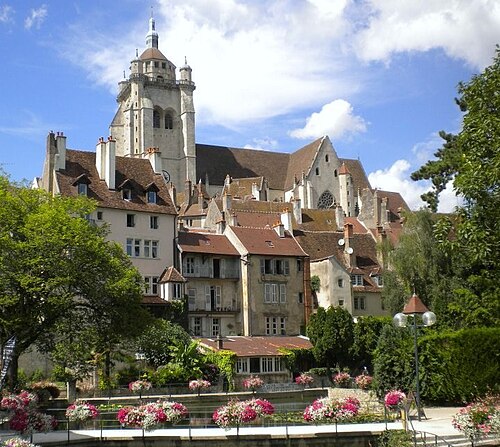
Dole is a commune located in the Bourgogne-Franche-Comté region of eastern France, serving as the capital of the Jura department. Nestled along the banks of the Doubs River, this picturesque city is noted for its rich history and vibrant culture. Dole was historically significant as a center of the Franche-Comté region and was established in the Roman period. The city was also important during the Middle Ages and the Renaissance, featuring a flourishing economy and a robust architectural heritage. The historic center of Dole is characterized by its charming streets, impressive buildings, and remnants of medieval fortifications, showcasing a unique blend of styles reflecting its diverse past.
One of Dole's most notable landmarks is the Collegiate Church of Notre-Dame, an impressive edifice that dates back to the 15th century and is renowned for its beautiful stained glass windows and intricate facade. The city is also known for the Hôtel-Dieu, an ancient hospital founded in the 13th century, which today serves as a museum. Dole’s vibrant commercial life is complemented by a strong tradition of local cuisine, particularly its renowned absinthe, which is distilled from a locally grown plant known as wormwood. The city hosts various cultural events and festivals throughout the year, celebrating everything from gastronomy to local arts. Additionally, Dole is strategically located near prominent transport routes and is well-connected by road and rail, making it a gateway to exploring the surrounding Jura mountains, known for their stunning natural scenery and opportunities for outdoor activities. With a population of around 25,000, Dole maintains a small-town charm, fostering a sense of community while offering a glimpse into the historical tapestry that characterizes this beautiful region of France.
Facts about Dole
- Dole is known for its historical significance as the birthplace of Louis Pasteur, the famous microbiologist and chemist.
- The city is situated along the Doubs River, providing picturesque waterways and unique opportunities for boat tourism.
- Dole is home to the impressive Saint-Jean Baptiste Church, a significant example of Gothic architecture in the region.
- The town hosts the Annual Festival of the Comté Cheese, celebrating the local dairy heritage and cheese production.
- Dole has a well-preserved historical center that includes half-timbered houses and narrow medieval streets, unlike many cities that have modernized extensively.
- The city played a crucial role during the Protestant Reformation, being a center for Calvinist teachings in the 16th century.
- Dole is part of the Jura department, which is renowned for its natural parks and outdoor recreational activities, including hiking and cycling.
- The city has a rich watchmaking tradition, contributing to the esteemed craftsmanship seen in the watch industry of the region.
- Dole's vibrant open-air markets offer local products, crafts, and produce, reflecting the community's agricultural roots.
- The city is also known for hosting a variety of cultural events, including the Dole Music Festival, attracting performers and visitors from across France.