Dornbirn, Austria
- 49,278 people
- 14 places to visit
- 47.4124, 9.7438
Places to Visit (14)
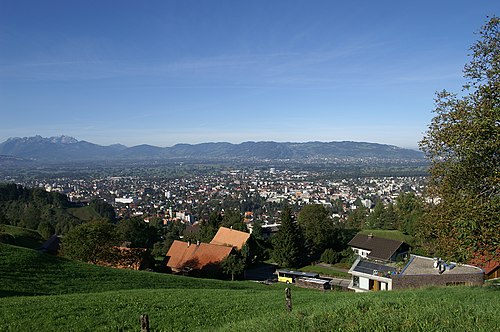
Dornbirn, located in the Vorarlberg state of Austria, is the largest city in the Bregenz Forest region. With a population of approximately 48,000, it lies at the confluence of several valleys, bordered by the Rhine River to the west and the picturesque Alps to the south. Its strategic location makes it an important economic and transport hub, connecting Austria with Switzerland and Germany. The city's history dates back to the Roman era, with archaeological evidence indicating settlement in the region for over two millennia. Today, Dornbirn is characterized by a blend of modernity and tradition, featuring well-preserved historical buildings alongside contemporary architecture.
Dornbirn is renowned for its vibrant economy, which has traditionally centered around textile production. In the 19th century, it became a critical site for the industry, earning the nickname “Textile City.” Today, the economy has diversified, with technology and services playing increasingly significant roles. Cultural life in Dornbirn is lively, supported by various museums, theaters, and music events. The Stadtmuseum showcases local history, while the annual Dornbirn Festival highlights the region's cultural offerings. Outdoor enthusiasts can explore the surrounding areas, which feature numerous hiking and cycling trails, as well as skiing opportunities in the winter months. The nearby lake of Constance adds to the appeal, providing a picturesque setting for both residents and visitors alike.
Dornbirn has a well-developed infrastructure, offering efficient public transport options, including trains and buses that connect it to larger cities in the region. The city is also home to several educational institutions, including schools and vocational training centers, contributing to a skilled workforce that supports local industries. The social fabric of Dornbirn is enriched by a mix of cultures, as the city is a home to a diverse population. This multicultural aspect enhances its community life, fostering interactions and exchanges that are viewed as key to the city’s character. With its rich history, robust economy, and a host of recreational opportunities, Dornbirn is a notable city that combines the charm of its Alpine setting with the conveniences of modern living.
Facts about Dornbirn
- Dornbirn is known as the largest city in the state of Vorarlberg, distinguishing it as a central economic hub in this region.
- The city hosts the Vorarlberg Museum, which showcases local history, culture, and art, making it a unique cultural landmark.
- Dornbirn has a long-standing tradition in textile manufacturing, earning it the nickname 'Textile City' in the 19th century.
- The city is home to the 'Dornbirner Messe,' one of the largest trade fairs in Austria, which attracts international visitors annually.
- Dornbirn's proximity to the Rhine River offers unique outdoor activities, including cycling and hiking along scenic routes.
- The city features the 'Karren' cable car, providing panoramic views of the surrounding Alps and the Rhine Valley, a popular attraction for tourists.
- Dornbirn is home to the oldest working machine shop in Europe, a testament to its rich industrial heritage.
- The annual 'Dornbirn Design Forum' attracts designers and industrialists, highlighting the city's commitment to innovation and design.
- Dornbirn's 'Inatura' experience museum offers interactive exhibits about nature, technology, and ecology, distinguishing it as an educational landmark.
- The city has a multi-cultural community, reflecting its historical significance as a crossroads for trade between Austria, Switzerland, and Germany.