Dortmund, Germany
- 588,462 people
- 17 places to visit
- 51.5136, 7.4653
Places to Visit (17)
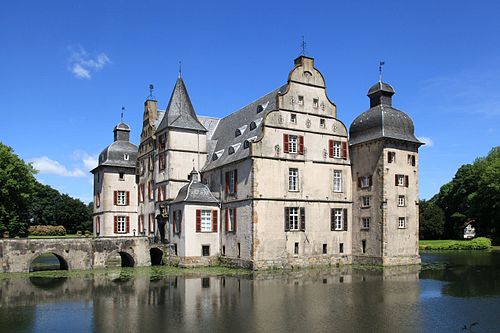
Dortmund is a dynamic city located in the North Rhine-Westphalia region of Germany. With a population of approximately 600,000, it is one of the largest cities in the Ruhr area, which has historically been an industrial hub. Dortmund has a rich history dating back to the 9th century, initially developing as a trading settlement. The city flourished in the Middle Ages and became an important member of the Hanseatic League, benefiting from its strategic location along trade routes. Throughout the 19th and 20th centuries, Dortmund evolved into a major center for coal and steel production, leading to significant economic growth and urban development.
In contemporary times, Dortmund has diversified its economy, moving away from heavy industry towards services and technology. It is known for its influential educational and research institutions, including the Technical University of Dortmund, which emphasizes engineering and applied sciences. The city is also recognized for its thriving cultural scene, boasting an array of museums, theaters, and music festivals. One of its most significant cultural landmarks is the Dortmunder U, a former brewery turned cultural center, which houses art exhibitions and events, symbolizing the city's shift from industrial roots to a hub of innovation and creativity.
Dortmund is perhaps most famous for its passionate soccer culture, being home to Borussia Dortmund, one of the most successful football clubs in Germany. The team's matches at Signal Iduna Park, renowned for its electric atmosphere, attract thousands of fans. The city's vibrant neighborhoods, green parks, and extensive recreational facilities contribute to a high quality of life for its residents. Additionally, Dortmund has made strides in sustainability, developing projects focused on green technologies and urban renewal. Today, Dortmund stands as a testament to resilience and transformation, blending its rich industrial heritage with modern advancements, making it a significant city in both a historical and contemporary context.
Facts about Dortmund
- Dortmund is famous for its historical significance in the coal and steel industry, particularly during the 19th and early 20th centuries, earning it the nickname 'the City of Coal'.
- The Westfalenstadion, home to Borussia Dortmund, is one of the largest football stadiums in Germany and is known for its passionate fan culture, particularly the renowned 'Yellow Wall' – the largest terrace for standing spectators in Europe.
- Dortmund is home to the Dortmund U-Tower, a cultural center housed in a former beer brewery, which serves as an iconic symbol of the city's transformation from an industrial hub to a center of creativity and culture.
- The city hosts the annual DoKomi convention, one of Germany's largest anime and manga conventions, attracting fans from across the country and emphasizing Dortmund's role in contemporary pop culture.
- Dortmund is known for producing some of the best beer in Germany, with the city being the birthplace of the famous Dortmunder beer style, which is a strong pale lager.
- The Museum of Art and Cultural History in Dortmund houses an impressive collection that spans centuries, making it one of the most significant museums dedicated to art outside of major cities like Berlin or Munich.
- The city's annual Christmas market is one of the oldest in Germany, with its origins dating back to the 14th century, offering a unique charm distinct from the more commercial markets in larger cities.
- Dortmund's 'Phoenix See' is a unique urban redevelopment project that transformed an old steel mill site into a picturesque lakefront area, showcasing the city's commitment to sustainable urban planning.
- The Signal Iduna Park is not only a sports venue but has also hosted various music events, such as concerts from global artists, highlighting Dortmund's versatility as an event city.
- Dortmund has a rich relationship with digital technology and has been known as a center for IT and digital innovation in Germany, further distinguishing itself as a tech-driven city.