Dover NH, United States
- 30,880 people
- 17 places to visit
- 43.1979, -70.8737
Places to Visit (17)
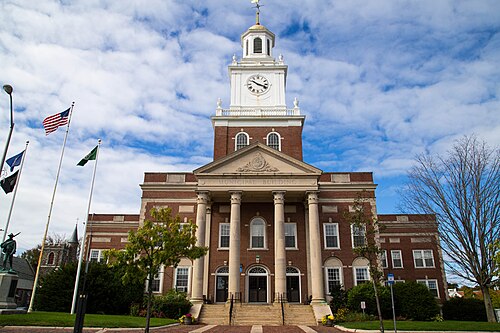
Dover, New Hampshire, is a historic city located in Strafford County, in the southeastern part of the state. Established in 1623, it is one of the oldest continuously inhabited communities in New England. The city lies on the Cochecho River and serves as an important cultural and economic center in the region. Dover has a population of about 32,000 residents, making it the largest city in New Hampshire by population after Manchester and Nashua. The city is characterized by its vibrant downtown area, which features an array of shops, restaurants, and historic buildings, including the iconic Dover City Hall and the Woodman Institute Museum, which showcases local history, natural history, and the art of the region.
The economy of Dover is diverse, with key sectors including manufacturing, retail, healthcare, and education. Several notable companies have established their presence in the city, contributing to its economic growth. Dover is served by the Rochester-Dover area’s transportation network, providing residents and businesses with convenient access to other parts of New Hampshire and beyond. The city places a strong emphasis on education, with various public and private schools serving the community, and it is in proximity to notable higher education institutions, such as the University of New Hampshire in nearby Durham. Outdoor and recreational activities abound in Dover, with numerous parks, trails, and open spaces that cater to residents and visitors alike. The city’s historical charm, coupled with its modern amenities, makes it an attractive destination for those who appreciate a blend of old and new in their urban experience.
Facts about Dover
- Dover, NH is one of the oldest continuously inhabited towns in the United States, founded in 1623, making it older than many well-known American cities.
- The city is home to the Cochecho River, which powered the mills that established Dover's significance during the Industrial Revolution.
- Dover is part of the New Hampshire Seacoast region and is only a short distance from the Atlantic Ocean, offering a unique combination of urban and coastal experiences.
- The Woodman Institute Museum in Dover showcases artifacts and exhibits related to the city's history, natural history, and cultural heritage, reflecting its vibrant past.
- Dover has a rich tradition in the shoe manufacturing industry, which was pivotal in its economic growth during the 19th century.
- The city hosts annual events such as the Cochecho Arts Festival, attracting locals and tourists to celebrate art and culture.
- Dover is unique for its role as the first capital of New Hampshire in the 18th century before the capital moved to Concord.
- The Dover Public Library houses a notable collection of historical documents and manuscripts, including items dating back to the early colonial period.
- Dover is known for the Children's Museum of New Hampshire, which provides interactive exhibits focused on education and play, distinguished from other local museums.
- The city has a vibrant downtown area with historic buildings and local shops, providing a distinct small-town charm while offering modern amenities.