Drăgăşani, Romania
- 20,630 people
- 3 places to visit
- 44.6632, 24.2609
Places to Visit (3)
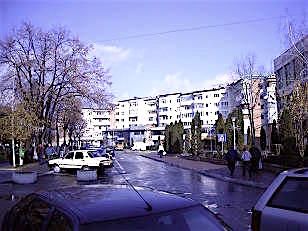
Drăgășani is a city located in the Vâlcea County of Romania, situated in the historical region of Oltenia. Known for its picturesque landscapes and rich cultural heritage, Drăgășani lies approximately 160 kilometers northwest of Bucharest, making it accessible for both tourists and locals. The city has a population of around 18,000 residents and serves as a local economic and administrative center. The area is characterized by its hilly terrain and is surrounded by vineyards, which contribute significantly to the region’s economy and cultural identity.
Historically, Drăgășani has been influenced by various civilizations, including the Romans and Ottomans, which is reflected in the architecture and traditions found within the city. It is particularly renowned for its wine production, with a heritage of viticulture dating back centuries. The local wineries produce a range of wines, notably the Drăgășani white wine made from native grape varieties. The annual wine festival, held in the fall, attracts visitors and showcases the local wines, culinary specialties, and traditional music, highlighting the city’s vibrant community spirit.
Drăgășani is also home to several cultural landmarks, including the Church of St. Nicholas and the City Museum, which features exhibitions on the region's history and traditions. The city is well-connected to other parts of Romania via road and rail, making it an ideal destination for exploring the surrounding countryside, including the nearby Cozia National Park. With its rich cultural heritage, beautiful landscapes, and strong ties to viticulture, Drăgășani offers a unique glimpse into both the historical and contemporary life of Romania.
Facts about Drăgăşani
- Drăgăşani is renowned for its rich viticulture, being one of Romania's premier wine-producing regions, particularly famous for its Fetească Neagră and Merlot wines.
- The city hosts the annual Drăgăşani Wine Festival, celebrating local winemakers and attracting visitors who enjoy tastings and cultural events.
- Drăgăşani features the historic Church of St. Nicholas, built in the 18th century, which showcases beautiful Byzantine architecture and significant religious art.
- It was an important cultural center during the 19th century and is home to several personalities of Romanian literary and artistic life, particularly in the fields of poetry and painting.
- Drăgăşani’s location within the Oltenia region provides a unique blend of historical and natural attractions, including proximity to the Olt River and scenic hills.
- The city hosts the unique 'Museum of the Romanian Peasant's House,' which showcases traditional Romanian rural architecture and lifestyle.
- Drăgăşani was also a key site during the 1848 Revolutions, being a focal point in the fight for national independence and political reform in Romania.
- The area around Drăgăşani has rich archaeological sites, including remnants from the Dacian and Roman periods, reflecting its historical significance.
- Drăgăşani is often referred to as the 'City of Wineries,' with several vineyards offering tours and tastings, contributing to local tourism and economy.
- The 'Drăgăşani Agri-Food Fair' highlights the region's agricultural products, promoting local farmers and food producers, making it a notable event in the city.