Draguignan, France
- 38,573 people
- 5 places to visit
- 43.5377, 6.465
Places to Visit (5)
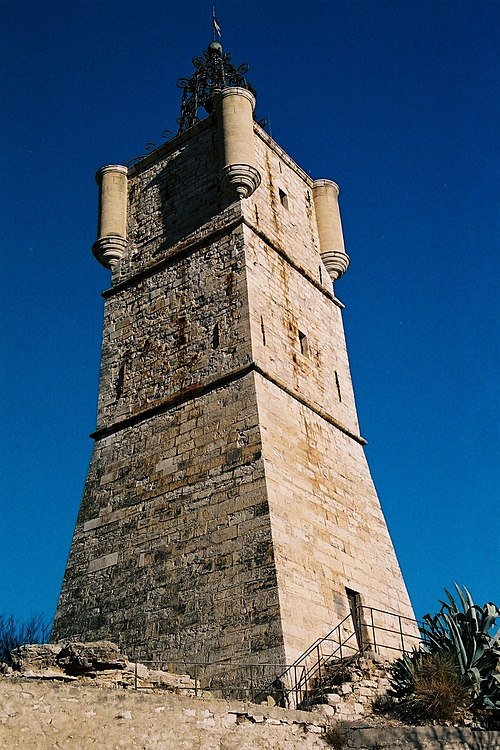
Draguignan is a historic commune located in the Var department in the Provence-Alpes-Côte d'Azur region of southeastern France. Situated about 60 kilometers (approximately 37 miles) northwest of Nice, Draguignan serves as the capital of the Draguignan arrondissement. The town lies at the confluence of several rivers, including the Nartuby and the Neffies, and is positioned on a hillside, providing picturesque views of the surrounding landscape. With a population of around 38,000 residents, Draguignan is notable for its rich history, which dates back to Roman times, when it was known as "Dracontium." The remnants of this heritage can be seen in the town's medieval architecture, including the well-preserved 17th-century church of Saint-Michel and the historic old town, characterized by narrow streets and colorful buildings.
In recent history, Draguignan has played a significant role as a military center. The presence of various military installations has influenced the town's growth and economy. However, it is also well-known for its cultural heritage, which includes numerous festivals and events that celebrate Provencal traditions. The town is a gateway to the stunning natural beauty of the surrounding region, which features vineyards, olive groves, and rolling hills, attracting both tourists and outdoor enthusiasts. Draguignan's location near the Verdon Gorge, one of Europe's most beautiful canyons, enhances its appeal, offering opportunities for activities such as hiking, kayaking, and rock climbing.
Additionally, Draguignan is part of the larger Provence region, known for its gastronomy, local produce, and vibrant markets. The local cuisine features specialties such as bouillabaisse, ratatouille, and various dishes highlighting the region's fresh herbs and vegetables. The town hosts a weekly market where residents can purchase local products, adding to the community's charm. Overall, Draguignan embodies the essence of southern France, merging historical richness with modernity, making it an attractive destination for visitors seeking to explore the cultural and natural wonders of the area.
Facts about Draguignan
- Draguignan is known for its rich military history, serving as a significant garrison town since the 17th century.
- The city is home to the 'Musée des Arts et Traditions Populaires', which showcases regional traditions, crafts, and history.
- Draguignan has a unique geographical feature as it is surrounded by hills, providing it with a distinctive Mediterranean landscape.
- The town is famous for its truffles, particularly black truffles, and hosts an annual truffle festival celebrating this delicacy.
- Draguignan was the birthplace of the French painter and lithographer, Léonard de Vinci Swiss, adding to its cultural heritage.
- The city features the historic 'Tour de l'Horloge', a medieval clock tower that is a prominent landmark in the town center.
- Draguignan is strategically located near the Verdon Gorge and the Sainte-Baume mountain range, making it a gateway for outdoor tourism.
- In the 19th century, Draguignan became a key center for the production of wine, known particularly for its rosé wines.
- The town has a rich tradition in crafting handcrafted soap, contributing to the region's reputation for quality artisanal products.
- Draguignan hosts the annual 'Festival de la Mer', celebrating maritime culture and the connection to the nearby Mediterranean coast.