Dresden, Germany
- 556,227 people
- 17 places to visit
- 51.0504, 13.7373
Places to Visit (17)
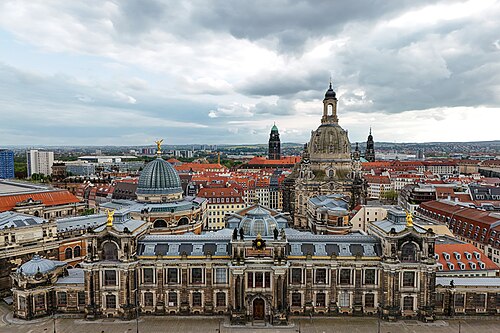
Dresden, the capital city of the Free State of Saxony in southeastern Germany, is renowned for its rich cultural heritage and stunning architecture. Located on the banks of the Elbe River, it has played a significant role in Germany's history, particularly during the Baroque period when it blossomed as a center for art and culture. The city was home to several notable figures, including the famous composer Richard Wagner. Dresden's skyline is dominated by the beautiful Frauenkirche, a Lutheran church that was originally completed in the 18th century but was reconstructed after its destruction during World War II. Other important landmarks include the Zwinger Palace, which houses impressive art collections, and the Semper Opera House, a masterpiece of Neoclassical architecture.
The city's history has been both glorious and tumultuous. Dresden was heavily bombed during World War II, resulting in extensive destruction and a tragic loss of life. The post-war period saw the city divided between East and West Germany, with significant restoration efforts undertaken in East Dresden, particularly in the years following the reunification of Germany in 1990. Today, Dresden is known for its vibrant arts scene, with numerous museums, galleries, and annual festivals that celebrate its cultural legacy. The city is also a hub for education and research, housing several universities and institutions. Additionally, its picturesque surroundings, including rolling hills and vineyards, attract many visitors. With its blend of historic charm and modern revitalization, Dresden remains a symbol of resilience and cultural pride in Germany.
Facts about Dresden
- Dresden is often referred to as 'Florence on the Elbe' due to its stunning baroque architecture and picturesque riverside setting.
- The Frauenkirche (Church of Our Lady) in Dresden, originally completed in 1743, was destroyed during World War II and left in ruins until its reconstruction was completed in 2005, symbolizing reconciliation.
- Dresden is home to the world's oldest Green Vault, a museum containing one of the largest collections of treasures in Europe, showcasing magnificent artworks and artifacts from the Saxon royal collections.
- The city was heavily bombed during World War II in February 1945, resulting in a significant loss of life and destruction, leading to ongoing discussions about the morality and impact of the bombing.
- Dresden hosts the famous Semper Opera House (Semperoper), renowned for its exquisite architecture and rich operatic history, which has been a major cultural venue since its opening in 1841.
- The city played a crucial role in the development of German Romanticism and is associated with several prominent poets and composers, including Richard Wagner, who was born in the city.
- Dresden features a unique blend of architectural styles, including baroque, classicism, and modernism, making it a fascinating study for architecture enthusiasts.
- The city's historic district, especially the Altstadt (Old Town), contains numerous UNESCO World Heritage Sites, including the Zwinger Palace and the Royal Palace.
- Dresden hosts the annual Christmas market known as Striezelmarkt, one of the oldest Christmas markets in Germany, dating back to 1434 and featuring traditional food, crafts, and festive celebrations.
- Dresden was a significant center for the arts and sciences in the 18th and 19th centuries, with institutions like the Dresden Academy of Fine Arts contributing to its reputation as a cultural hub.