Drobeta-Turnu Severin, Romania
- 102,346 people
- 14 places to visit
- 44.6369, 22.6597
Places to Visit (14)
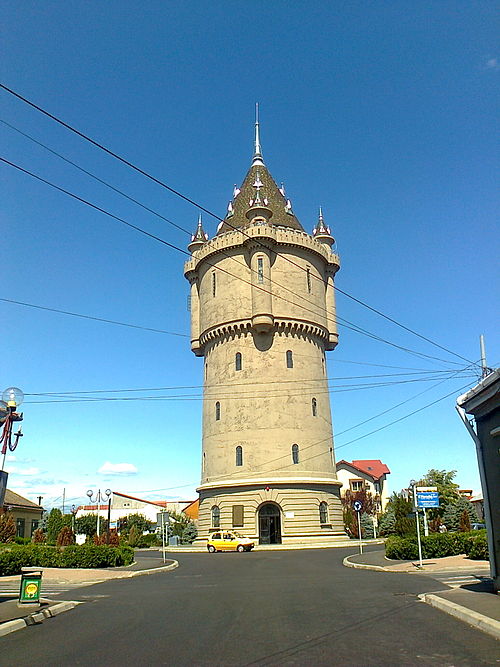
Drobeta-Turnu Severin is a city located in Romania, situated on the banks of the Danube River, near the border with Serbia. It serves as the capital of Mehedinți County and boasts a rich historical and cultural significance. The city is named after the Roman settlement of Drobeta, established under Emperor Trajan in the early 2nd century AD, which was an important strategic point in the Roman Empire. The remnants of this Roman city, including the famous Trajan’s Bridge, provide a glimpse into its historical importance. The bridge, once one of the longest in the ancient world, symbolizes the Roman conquest and infrastructure that facilitated trade and military movement.
Drobeta-Turnu Severin has evolved over the centuries, influenced by various cultures, including the Byzantines, Ottomans, and Habsburgs. Today, it is a key economic and cultural center in southwestern Romania, integrating contemporary development with its rich heritage. The city features a variety of historical landmarks, including the ruins of the Roman fortifications, the medieval Fortress of Severin, and the Orthodox Cathedral dedicated to St. George. Additionally, Drobeta-Turnu Severin is known for its picturesque landscapes, surrounded by hills and forests, and its proximity to the Iron Gate, a major hydroelectric dam and gorge on the Danube River. The blend of natural beauty and historical significance makes Drobeta-Turnu Severin a unique destination for both tourists and locals, showcasing the vibrant culture and history of Romania.
Facts about Drobeta-Turnu Severin
- Drobeta-Turnu Severin is named after the ancient Roman city of Drobeta, which was a strategic military and commercial center along the Roman Empire's Danube frontier.
- The city is home to the Trajan's Bridge ruins, an impressive ancient structure built by the Romans, once considered the longest bridge in the world.
- Drobeta-Turnu Severin lies at the confluence of the Danube and the Olt rivers, making it a significant geographical point for trade and transport.
- The city is notable for its rich thermal springs, which were exploited in Roman times and still attract visitors for their therapeutic properties today.
- Drobeta-Turnu Severin hosts the only working Danube ferry service that connects Romania to Serbia, emphasizing its role as a cross-border transport hub.
- The Drobeta Museum of History and Archaeology contains artifacts and exhibits highlighting the region's rich Roman heritage and local history.
- Drobeta-Turnu Severin's location allows for unique access to the nearby Iron Gates Natural Park, known for its stunning landscapes and biodiversity.
- The city is recognized for its diverse cultural heritage, featuring influences from various civilizations, including Roman, Ottoman, and Habsburg.
- Each summer, Drobeta-Turnu Severin hosts the 'Drobeta Festival,' celebrating local culture, history, and art, attracting participants and visitors from across the region.
- The city's development in the 20th century was significantly boosted by its status as a major industrial center, particularly in energy and manufacturing.