Dubuque IA, United States
- 58,799 people
- 18 places to visit
- 42.5064, -90.6677
Places to Visit (18)
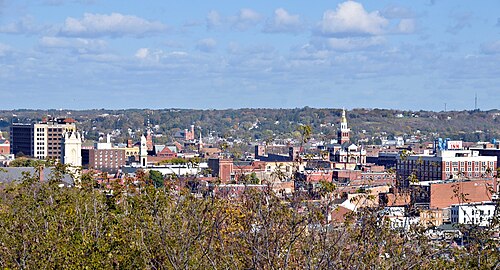
Dubuque, Iowa, is a historic city located along the banks of the Mississippi River in the northeastern part of the state. Established in the early 19th century, Dubuque is named after Julien Dubuque, a French-Canadian fur trader who was the area's first settler. The city rapidly grew during the 1830s due to the lead mining boom, which attracted a diverse population, including many German and Irish immigrants. Today, Dubuque is known for its rich cultural heritage, characterized by its historic architecture, vibrant arts scene, and numerous festivals that celebrate its diverse legacy.
The city covers approximately 30 square miles and is home to over 58,000 residents as of the latest census. Dubuque's economy is diverse, with key sectors including healthcare, education, manufacturing, and tourism. The presence of higher education institutions such as the University of Dubuque and Clarke University contributes to the city’s educational and cultural fabric. Dubuque is also recognized for its well-preserved historic districts, where visitors can explore landmarks like the St. Luke's United Methodist Church, the Dubuque County Courthouse, and the Grand Opera House. The city’s location along the Mississippi River provides picturesque views and opportunities for outdoor activities, including boating, fishing, and hiking in nearby parks.
Dubuque is also a gateway to various attractions and outdoor experiences. The city features the National Mississippi River Museum & Aquarium, which focuses on the region's ecology and the cultural significance of the river. Additionally, the city's location makes it a popular spot for wine tours and scenic drives, especially through the surrounding bluffs. Dubuque's commitment to sustainability is evident in its initiatives to promote green practices and enhance public spaces. With its unique combination of historical significance, cultural vibrancy, and outdoor recreational opportunities, Dubuque presents a compelling destination for both residents and visitors.
Facts about Dubuque
- Dubuque is home to the National Mississippi River Museum & Aquarium, which highlights the ecology and history of the Mississippi River and features daily animal presentations.
- The city's history is deeply tied to lead mining, which spurred its growth in the 19th century and led to Dubuque being known as the 'Key City' of Iowa.
- Dubuque is the oldest city in Iowa, having been established in 1833, and it features many preserved historic buildings in its downtown area.
- The Dubuque Cable Car, also known as the Fenelon Place Elevator, is one of the steepest and shortest scenic railways in the United States, offering panoramic views of the Mississippi River.
- It is home to the Grand Opera House, one of the few remaining opera houses in the United States built in the late 19th century, showcasing live performances and events.
- Dubuque hosts an annual event called the 'Dubuque Food and Wine Festival,' which showcases local cuisine and promotes culinary arts in the region.
- The city is renowned for its diverse architecture, including stunning examples of Victorian, Italianate, and Gothic Revival styles, particularly in the historic district.
- The Durrant House in Dubuque is notorious for its ghost stories and is said to be one of the most haunted locations in the state of Iowa.
- Dubuque is recognized for the Herbert Hoover Presidential Library and Museum located nearby, containing artifacts and exhibits dedicated to America's 31st president.
- The city boasts a unique geographic setting with bluffs overlooking the Mississippi River, making it a picturesque location for residents and tourists alike.