Duderstadt, Germany
- 22,910 people
- 10 places to visit
- 51.5097, 10.2535
Places to Visit (10)
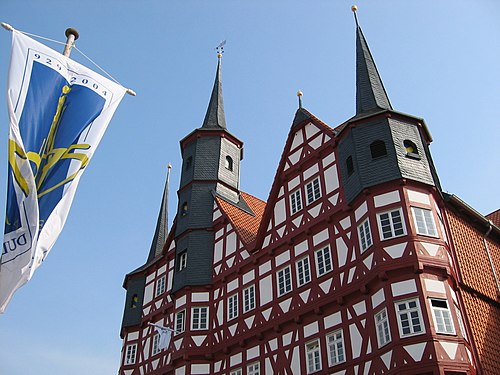
Duderstadt is a historic town located in the Lower Saxony region of Germany, situated near the border with Thuringia. With a population of approximately 20,000 residents, it lies in the scenic Eichsfeld district, surrounded by lush landscapes characteristic of the Harz foothills. The town's history can be traced back to the 8th century, and it was granted town privileges in 1325, which spurred its development as a significant market center. Duderstadt is known for its well-preserved medieval architecture, including timber-framed houses and the impressive St. Jacobi Church, which exemplifies the late Gothic architectural style.
Duderstadt's historical significance is further underscored by its role during the Middle Ages as a hub for trade and commerce. The town’s location along the ancient trade routes facilitated its growth and contributed to its cultural richness. One of its notable landmarks is the Duderstadt Town Hall, built in the 17th century, which showcases elements of Renaissance architecture. The town also hosts various cultural events and festivals that celebrate its heritage, making it a vibrant place for both locals and visitors. Moreover, Duderstadt has made strides in preserving its historical sites, ensuring that the charm of its past remains alive in contemporary society. Today, it offers a mix of history, culture, and natural beauty, appealing to tourists and residents alike. The surrounding countryside is perfect for hiking and outdoor activities, contributing to the town's appeal as a peaceful yet engaging destination in Germany.
Facts about Duderstadt
- Duderstadt is renowned for its well-preserved medieval architecture, including the impressive half-timbered houses that exemplify the unique 'Fachwerk' style commonly found in the region.
- The city is home to the St. Jacobi Church, which features a stunning altar that dates back to the 14th century and showcases extraordinary craftsmanship in Gothic architecture.
- Duderstadt played a significant role in the development of the textile industry in the 18th and 19th centuries, becoming an important center for linen production.
- The town is famous for its annual St. Martin's Festival, which includes a traditional lantern parade and is loved by both locals and visitors alike, highlighting community spirit.
- Duderstadt boasts a rich history dating back to its founding in 1000 AD, making it one of the oldest towns in the Göttingen region.
- The city features the unique 'Duderstädter Moor', a nature reserve that is significant for its biodiversity and conservation efforts in preserving local flora and fauna.
- Duderstadt is known for its connection to the 'Schnitzel Fest', an annual event celebrating the beloved German dish, attracting food enthusiasts from around the region.
- The city was a crucial point during the Middle Ages for trade routes, serving as a market town where merchants would gather, which is commemorated in its historical town square.
- Duderstadt's town hall, built in the 16th century, is notable for its Renaissance facade and serves as a prominent symbol of the city’s historical significance.
- The city has a unique educational heritage, being home to the 'Fachwerk Museum', which focuses on the traditional construction methods and history of half-timbered buildings in the region.