Duisburg, Germany
- 504,358 people
- 18 places to visit
- 51.4344, 6.7623
Places to Visit (18)
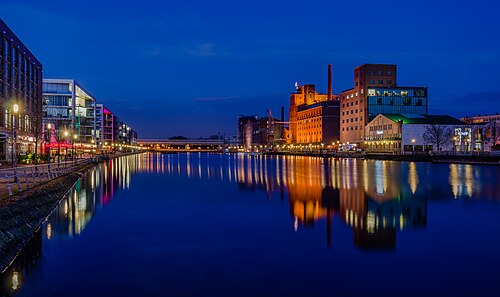
Duisburg is a city located in the western part of Germany, specifically in North Rhine-Westphalia. It is situated at the confluence of the Rhine and Ruhr rivers, making it a vital hub for transportation and industry. With a population of approximately 500,000 residents, Duisburg is one of the largest cities in the Ruhr area, a region known for its historical significance in coal and steel production. The city has undergone significant transformation since the decline of heavy industry in the late 20th century and is now focusing on diversifying its economy, urban development, and environmental sustainability.
Historically, Duisburg has roots dating back to Roman times, serving as a military base and trading post. The city's strategic location on major waterways facilitated its growth into an industrial powerhouse during the 19th century, contributing significantly to Germany's economic development. Key industries included steel production, shipbuilding, and chemical manufacturing. The port of Duisburg, known as the largest inland port in the world, plays a crucial role in international trade, connecting inland Europe with global markets. Today, Duisburg is investing in modern sectors such as logistics, technology, and services, showcasing a commitment to innovation and sustainable growth.
Culturally, Duisburg offers a mix of historical and contemporary attractions. The city's famous museum, the Lehmbruck Museum, is dedicated to modern sculpture and hosts works by renowned artists such as Ossip Zadkine and Henry Moore. Duisburg also celebrates its diverse communities through various cultural festivals and events, reflecting the multicultural fabric of the city. The Landschaftspark Duisburg-Nord, a former industrial site transformed into a public park, integrates remnants of the city's industrial heritage with recreational and artistic spaces, emblematic of Duisburg's ongoing journey toward revitalization and sustainable urban living.
Facts about Duisburg
- Duisburg is home to one of the largest inland ports in the world, making it a vital hub for shipping and trade in Europe.
- The city's Landschaftspark Duisburg-Nord is a unique public park that transforms an old industrial site into a stunning recreational area, showcasing the region's industrial heritage.
- Duisburg features the world's largest artificial lake in a former steel mill, known as the 'Walsumer Hafen' or Walsum Port, which is used for various water sports and recreation.
- The city has a strong connection to the Ruhr area's coal and steel production history, being part of the Ruhrgebiet, a major industrial region in Germany.
- Duisburg is known for the 'Duisburg-Nord' district, which is famous for its impressive steelworks that were converted into parks and event spaces after ceasing operations.
- The city is home to the University of Duisburg-Essen, one of the largest universities in Germany, emphasizing research in engineering, social sciences, and health sciences.
- Duisburg hosts the annual Duisburger Akzente festival, which is a major cultural event focused on visual arts, music, and theater, celebrating local and international talents.
- It features the iconic Duisburg square, known as the 'Platz der Deutschen Einheit,' which symbolizes German reunification and is often used for events and gatherings.
- The city's unique location at the confluence of several rivers, including the Rhine and Ruhr, makes it an attractive spot for scenic waterfront activities.
- Duisburg boasts the world's largest collection of contemporary art in a public space, thanks to its strategic investment in public art initiatives and exhibitions throughout the city.