Dukinfield, United Kingdom
- 19,306 people
- 16 places to visit
- 53.4788, -2.0945
Places to Visit (16)
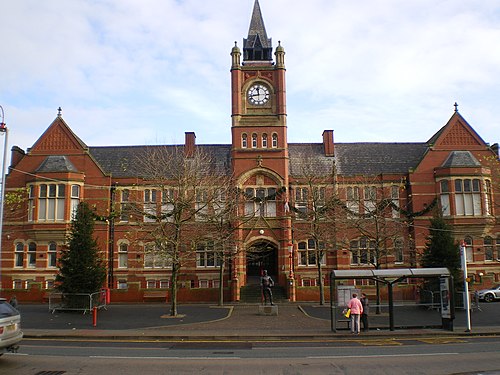
Dukinfield is a town located in Tameside, Greater Manchester, England, with a rich industrial heritage and a population of approximately 19,000 residents. Situated six miles east of Manchester city center, Dukinfield developed significantly during the Industrial Revolution due to its proximity to coal deposits and the establishment of textile factories. The town was historically part of the county of Cheshire until the formation of the County Borough of Stalybridge in 1889, which included Dukinfield, and it later became part of the metropolitan borough of Tameside in 1974.
The town's economy was predominantly based on the cotton industry, with numerous mills operating during the late 19th and early 20th centuries. Notable landmarks include the old St. John’s Church, built in 1837, which showcases the town's historical significance. The local infrastructure reflects its industrial past, with remnants of the railway system that once facilitated the transport of goods. With time, many mills have been repurposed or demolished, leading to a shift in the town’s economic focus toward retail and service industries. Dukinfield has experienced regeneration efforts aimed at improving local amenities and attracting investments, contributing to its evolving community.
Dukinfield is well-connected, featuring access to major road networks, including the M60 motorway, and local transportation links, making it a relatively convenient location for commuting to Manchester and other nearby towns. The town offers various recreational spaces, parks, and community facilities, promoting a sense of community and enhancing the quality of life for its residents. Despite the changes brought about by economic fluctuations and urban development, Dukinfield remains a town that honors its historical roots while adapting to contemporary needs and challenges.
Facts about Dukinfield
- Dukinfield, located in Greater Manchester, was historically part of Cheshire and became a key area during the industrial revolution due to its textile manufacturing.
- The town is home to the historic St. John’s Church, built in 1821, which is noted for its distinctive architecture and local heritage.
- Dukinfield is associated with the famous Tameside area, which was known for its significant contributions to the cotton industry in the 19th century.
- The Dukinfield Town Hall, built in the late 19th century, is an architectural landmark and serves as a civic hub for the local community.
- Dukinfield features the Ashton Canal, which was originally constructed to facilitate trade during the industrial era and is now popular for leisure activities.
- In the early 20th century, Dukinfield was also known for its production of electric goods, contributing to the rise of the electrical engineering industry in the region.
- The local football club, Dukinfield Town FC, has a rich history and is an integral part of the community’s sporting culture.
- Dukinfield's annual events include local festivals that celebrate its heritage, community spirit, and diverse cultural influences.
- The town has a population that reflects a rich tapestry of cultures, contributing to a vibrant local community and multicultural events.
- Dukinfield is less than 5 miles from Manchester city center, making it an attractive residential area for those commuting to the larger urban environment.