Dūmā, Syria
- 111,864 people
- 1 places to visit
- 33.5684, 36.4075
Places to Visit (1)
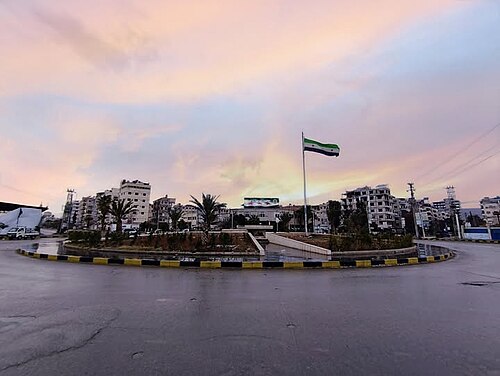
Dūmā is a city located in the Eastern Ghouta region, near the capital city of Damascus, Syria. Historically, Dūmā has played a significant role in the agricultural landscape of the area, benefiting from its fertile lands and proximity to the Barada River. The city's population, predominantly Sunni Muslim, has engaged in agriculture, growing various crops, including fruits and vegetables, which contributed to the local economy. Prior to the Syrian Civil War, Dūmā was known for its vibrant community life, market activities, and historical sites, with remnants of ancient architecture reflecting its long history.
The Syrian Civil War, which began in 2011, drastically changed the dynamics of Dūmā, turning it into a focal point of conflict. The city became a bastion for opposition forces and a center for protests against the Assad regime. Over the years, Dūmā faced extensive bombardment and siege, leading to significant destruction and a humanitarian crisis. In 2018, government forces launched a major offensive to regain control of the city, culminating in a successful takeover. Reports from the conflict highlighted numerous instances of chemical weapon use, particularly during the devastating Ghouta attacks in 2013 and 2018, which drew international condemnation and raised serious concerns about human rights violations.
Today, Dūmā stands as a symbol of resilience amid the devastation wrought by years of war. Although under government control, the city continues to grapple with the consequences of the conflict, including reconstruction challenges, the plight of displaced residents, and the lingering effects of trauma among the population. Efforts to rebuild and restore normalcy are ongoing, but the path to recovery for Dūmā and its inhabitants is fraught with difficulties, including political instability and economic hardships.
Facts about Dūmā
- Dūmā is located in the Eastern Ghouta region, which is known for its agricultural lands and is situated just northeast of Damascus.
- Historically, Dūmā has been an important agricultural center, particularly known for its production of fruit and vegetables, especially its famous strawberries.
- During the Syrian civil war, Dūmā became a significant site of conflict, often regarded as a symbol of resistance against the government due to its active role in protests and rebel activities.
- Dūmā houses the ancient mosque of Al-Nasr, which dates back to the Umayyad period and showcases early Islamic architecture.
- The city was subject to heavy bombardment and siege conditions, leading to severe humanitarian crises, which gained international attention.
- In 2018, Dūmā was the site of a controversial chemical attack, which prompted widespread condemnation and led to international airstrikes by France, the UK, and the US.
- Dūmā has a diverse cultural heritage, with influences from different periods including Roman, Byzantine, and Islamic eras evident in its architecture and local traditions.
- Dūmā's location near Damascus makes it a key transit point for flora and fauna trading to the capital, which distinguishes it from more rural towns in Syria.
- After the end of the civil conflict in the region, Dūmā has been a focus of reconstruction efforts aimed at restoring its infrastructure and community life.
- The city is also known for its local markets, which offer a variety of traditional Syrian goods and are frequented by residents from surrounding areas.