Dunajská Streda, Slovakia
- 22,730 people
- 6 places to visit
- 47.9916, 17.6206
Places to Visit (6)
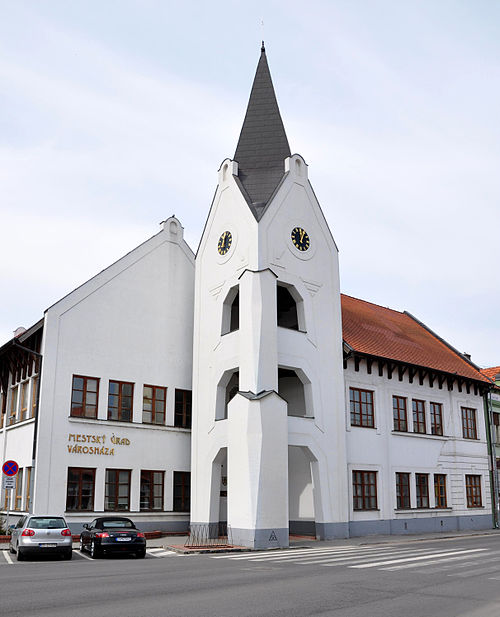
Dunajská Streda is a town located in the southwestern part of Slovakia, within the Trnava Region. Situated approximately 50 kilometers east of Vienna, Austria, and 40 kilometers south of the capital city, Bratislava, Dunajská Streda is strategically positioned near the borders of Hungary. The town is known for its rich cultural heritage and historical significance, stemming from its origins, which can be traced back to the 13th century. The area is characterized by its fertile landscape, which contributes to its agricultural economy, particularly in the production of crops such as wheat and corn.
The demographics of Dunajská Streda reflect a diverse population, with a significant number of ethnic Hungarians, which is a result of historical ties in the region. This diversity is evident in the town's cultural events, festivals, and everyday life, where Slovak and Hungarian traditions coexist. The town serves as a cultural hub, featuring various attractions such as churches, parks, and local markets, where traditional crafts and regional products are showcased. Dunajská Streda is also accessible via the D4 motorway, enhancing its connectivity to larger Slovak cities and neighboring countries.
In terms of infrastructure, Dunajská Streda has seen substantial development, especially since the early 2000s, with investments aimed at improving public services, transportation, and housing. The economy has diversified beyond agriculture, with developments in retail and services, providing jobs and boosting local prosperity. The town has also established itself as a significant center for sporting activities, particularly football and basketball, with local clubs competing at various levels. Overall, Dunajská Streda exemplifies a blend of historical richness, cultural diversity, and modern growth, making it a notable town in Slovakia.
Facts about Dunajská Streda
- Dunajská Streda is known for its significant Hungarian minority, which contributes to the city's unique cultural blend, including festivals and Hungarian language signage.
- The city is home to the historic Church of St. George, which dates back to the medieval period and features stunning Gothic architecture.
- Dunajská Streda hosts the well-known 'Festival of Hungarian Culture' every summer, attracting visitors with traditional performances, music, and cuisine.
- The town is an important center for agriculture and is often referred to as the 'breadbasket' of Slovakia due to its fertile plains and farming communities.
- Dunajská Streda is strategically located near the borders of Austria and Hungary, making it a key point for cross-border trade and cultural exchange.
- The city is recognized for its sports achievements, particularly in football, where local teams compete at various levels and have produced notable players.
- Dunajská Streda features a variety of thermal baths and wellness centers, making it a popular destination for health tourism and relaxation.
- In recent years, Dunajská Streda has seen significant economic development and has become one of the fastest-growing cities in Slovakia.
- The city is surrounded by picturesque natural landscapes, including the nearby Danube River and various nature reserves, ideal for outdoor activities.
- Dunajská Streda has a unique dialect influenced by its Hungarian minority, showcasing the rich linguistic heritage of the region.