Dunaújváros, Hungary
- 50,084 people
- 13 places to visit
- 46.9619, 18.9355
Places to Visit (13)
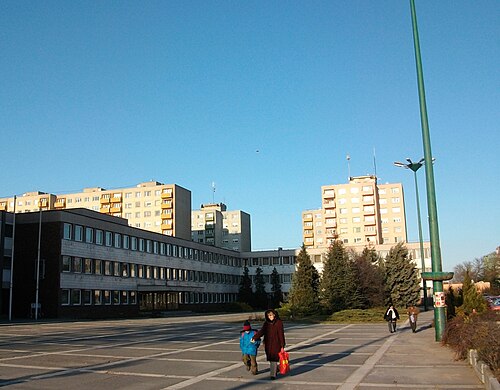
Dunaújváros is a city located in central Hungary, approximately 70 kilometers southwest of Budapest. Established in 1949, it was initially built to house the workers of a newly constructed iron and steel plant, which later became one of the largest in Europe. The city was originally named Sztálinváros after Joseph Stalin, but was renamed Dunaújváros in 1961 following the de-Stalinization period. The name translates to “New City on the Danube,” reflecting its geographical location along the banks of the Danube River. Dunaújváros has a population of around 40,000 residents, making it a relatively small city by Hungarian standards, yet it plays a significant role in the country's industrial landscape.
Dunaújváros is notable for its modernist architecture, much of which was built in the mid-20th century, showcasing a unique blend of socialist realism and functional design. The city is often recognized for its distinctive cultural and educational institutions, including the Dunaújváros Papírgyári Középiskola, which specializes in technical training, and the Dunaújvárosi Egyetem (Dunaújváros University). In addition to industry and education, the city is enriched by sports culture, particularly football and water polo, with local teams actively participating in national competitions. The surrounding natural landscape, including parks and access to the Danube, provides recreational opportunities for residents and visitors alike, supporting activities such as boating and cycling.
In recent years, Dunaújváros has been working toward revitalization and modernization to enhance its appeal as a livable city. Local government initiatives have focused on improving public infrastructure, green spaces, and community services. Additionally, the city has increasingly turned its attention to sustainable development, trying to balance industrial activity with environmental considerations. Dunaújváros is also recognized for its vibrant arts scene, hosting various festivals and cultural events throughout the year, which celebrate not only its industrial heritage but also the creativity and resilience of its inhabitants.
Facts about Dunaújváros
- Dunaújváros was established in 1951, making it one of the youngest cities in Hungary.
- The city was built as a major industrial center, particularly known for its steel production, and it played a significant role in Hungary's economic development during the socialist era.
- Dunaújváros is home to the Dunaújváros Steel Plant, one of the largest steel plants in Hungary, which distinguishes it as an industrial hub.
- The city features a unique architectural style known as 'socialist modernism,' which is characterized by its functional and minimalist buildings, quite distinct from other Hungarian cities.
- Dunaújváros hosts the annual New Year's concert featuring performances by the Dunaújváros Symphonic Orchestra, attracting music lovers from across the region.
- The city has a vibrant arts scene, including the Kortárs Művészeti Intézet (Contemporary Art Institute), which promotes modern art and culture.
- Dunaújváros has several parks and green spaces, including the famous Római Liget, which stands out in contrast to its industrial background.
- The city is strategically located along the Danube River, which has historically made it a significant transportation and trade route.
- Dunaújváros is known for its diverse sporting culture, particularly its successful volleyball and handball teams, which compete at high national levels.
- The 'Dunaújvárosi Nagy Focisták' is a monument celebrating the city's football history, showcasing its passion for sports in a country where football is highly regarded.