Dundalk, Ireland
- 39,004 people
- 13 places to visit
- 54.0025, -6.3883
Places to Visit (13)
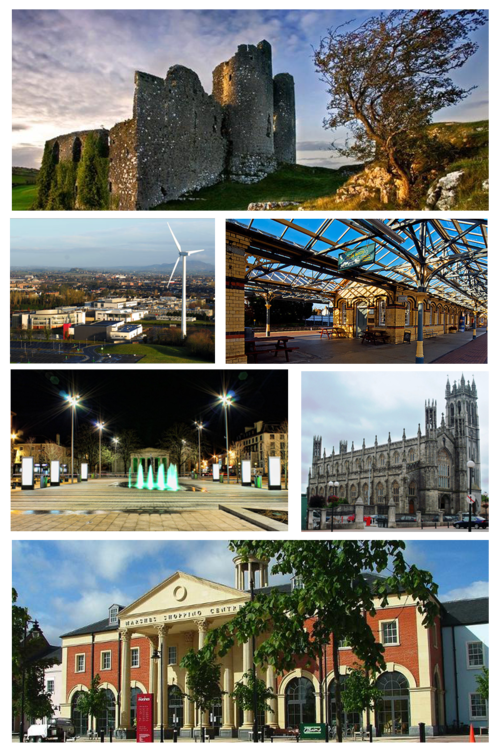
Dundalk is a significant town located in County Louth, Ireland, situated approximately halfway between Dublin and Belfast. Historically, it has served as a bustling market town and is recognized for its strategic location, which has facilitated trade and transport for centuries. The town's origins can be traced back to medieval times, with evidence of settlement dating to at least the 12th century. Dundalk was granted its charter in 1607, signaling its importance during the early modern period. The town experienced growth during the industrial era, particularly in textiles and brewing, with many historical buildings reflective of this rich heritage still visible today.
Culturally, Dundalk is known for its vibrant arts scene and rich history. The town hosts various annual events and festivals, such as the Dundalk Arts Festival, which highlights local artists and provides a platform for creative expression. The local sports scene is also notable, with the Dundalk Football Club, founded in 1903, achieving national prominence and becoming a source of community pride. Dundalk's architectural landscape features several noteworthy structures, including St. Patrick's Cathedral and the impressive county buildings, which showcase the town's historical significance. Moreover, the proximity of Dundalk to Dublin and Belfast makes it a pivotal hub for transport and connectivity, with easy access via road and rail making it an attractive location for both residents and businesses.
Today, Dundalk balances its rich historical legacy with modern development, reflecting a blend of old and new. The town has evolved into a center for various industries, including information technology and business services, attracting investment and expanding job opportunities for its residents. As part of the growing region of the Greater Dublin Area, Dundalk continues to flourish economically and culturally while maintaining its unique character and charm. Visitors can explore the surrounding scenic landscapes, including the nearby Cooley Mountains and the picturesque beaches along the coast, making Dundalk a noteworthy destination in Ireland.
Facts about Dundalk
- Dundalk is known for its unique geographical position, situated halfway between Dublin and Belfast, making it a significant logistical hub.
- The town has a rich history dating back to at least the 12th century, with the establishment of a Dominican friary, highlighting its medieval roots.
- Dundalk is home to the impressive St. Patrick's Cathedral, which dates back to the 18th century and features beautiful stained glass and an iconic tower.
- The town hosts the annual 'Dundalk Caribbean Carnival,' one of the first of its kind in Ireland, celebrating Caribbean culture through music, dance, and cuisine.
- Dundalk is associated with the famous Irish playwright and author, Francis O'Neill, who spent his early years in the town before moving to the United States.
- The county is known for its sports culture, particularly in Gaelic games, and is home to notable teams like the Dundalk Football Club, which has won multiple national titles.
- Dundalk's historic railway station, opened in 1849, is one of the oldest operational railway stations in Ireland, connecting the town to major cities.
- The town was once the site of an important military base, the 'Dundalk Barracks,' highlighting its strategic importance in Irish history.
- Dundalk has a vibrant arts scene, hosting the annual 'Dundalk Arts Festival,' which features various performances, exhibitions, and workshops showcasing local talent.
- The nearby Cooley Peninsula offers stunning landscapes and is the mythical home of the legendary hero Cú Chulainn, enhancing Dundalk's connection to Irish mythology.