Dunkerque, France
- 71,287 people
- 13 places to visit
- 51.0344, 2.3768
Places to Visit (13)
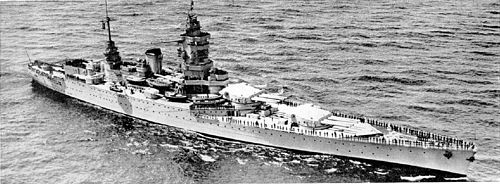
Dunkerque, located in the northernmost region of France, is a significant port city in the Hauts-de-France region. Situated along the North Sea coast, about 10 kilometers from the Belgian border, it is known for its rich maritime history and strategic importance in both trade and military conflicts. The city was historically a prominent harbor for fishing and shipbuilding, and during the 17th century, it became a part of the French crown under Louis XIV, emphasizing its strategic value. Dunkerque played a crucial role in World War II, particularly during the Dunkirk evacuation (Operation Dynamo) in 1940, when Allied troops were rescued from encirclement by German forces. This dramatic event has since become an integral part of the city’s identity, commemorated through various memorials and museums.
Economically, Dunkerque is recognized for its industrial activities and is one of France's largest ports by cargo tonnage. The port facilitates a range of operations, particularly in the transportation of goods and raw materials, and serves as a gateway to Europe, linking to various international maritime routes. The city’s industrial base includes sectors such as chemicals, energy, and logistics, benefiting from its favorable geographic position. Additionally, Dunkerque is known for its vibrant cultural scene, characterized by annual events such as the Dunkerque Carnival, which is celebrated with lively parades and traditional costumes, reflecting local heritage. The city also boasts significant architectural landmarks, including the 17th-century Dunkirk Lighthouse and the Church of Saint-Eloi, which illustrate its historical evolution. As a city that bridges the gap between history and modern industry, Dunkerque remains a vital part of both French culture and the European economic landscape.
Facts about Dunkerque
- Dunkerque is known for the historical Dunkirk evacuation during World War II, where thousands of Allied troops were rescued from the beaches in 1940.
- The city is home to the largest port in France, known as the Port of Dunkirk, which plays a crucial role in international trade and shipping.
- Dunkerque has a unique carnival tradition that features a vibrant celebration known as 'Carnaval de Dunkerque', which is characterized by elaborate costumes, music, and public revelry.
- The city's architecture includes the remarkable Dunkirk Town Hall, a UNESCO World Heritage Site, recognized for its iconic belfry and Renaissance-style design.
- Dunkerque hosted a significant International Kite Festival, showcasing colorful and creative kites from around the world, making it a unique event in France.
- The city's location on the French coast makes it one of the northernmost points in France, providing a picturesque seaside atmosphere with beautiful beaches.
- Dunkerque has a maritime museum, 'Musée portuaire', which illustrates its rich maritime history, highlighting the importance of its fishing and naval activities.
- The city is also known for the Dunkirk 1940 Museum, which provides detailed exhibitions about the events of the Dunkirk evacuation and the role of the town during the war.
- Dunkerque has a network of canals and waterways, which is distinctive compared to many other French cities, providing a unique landscape and additional recreational opportunities.
- The population of Dunkerque includes a significant community of 'Dunkerquois' who are known for their distinct dialect and cultural heritage, setting them apart from other regional identities in France.