Dunstable, United Kingdom
- 51,973 people
- 19 places to visit
- 51.8856, -0.5204
Places to Visit (19)
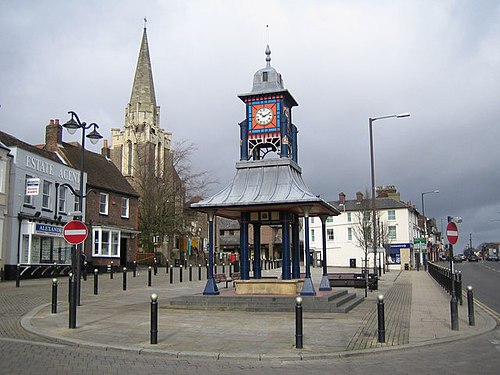
Dunstable is a town located in Bedfordshire, England, situated approximately 30 miles northwest of London. With a history that dates back over a thousand years, Dunstable played a significant role during various historical periods, including its establishment as a market town in the 12th century after being granted a market charter by Henry I. The town's name is believed to derive from the Old English “Dun” and “Stable,” suggesting a place associated with a hill and a stabling area for horses, reflecting its importance as a coaching stop on the route between London and the North.
The town boasts a rich heritage, evident in its historical landmarks, such as the Dunstable Priory, founded in 1131 and notable for its Norman architecture. The Priory is closely linked with the town's development, and remnants of it still attract visitors. Dunstable is also known for the medieval Whipsnade Tree Cathedral, an outdoor tree cathedral designed by Sir Edwin Lutyens, which showcases a unique blend of natural beauty and artistic architecture. As the town grew, it underwent significant changes, particularly during the 20th century when it expanded rapidly due to its proximity to Luton and the development of the London commuter belt.
In contemporary times, Dunstable has a diverse population and serves as a bustling hub for surrounding areas. The local economy is multifaceted, with retail, education, and various service industries forming the backbone of employment. The town is home to several shopping centers, parks, and recreational areas, including Dunstable Downs, which offers panoramic views of the surrounding landscape and is a popular destination for walking and outdoor activities. Transport links are well-developed, with access to the M1 motorway and regular rail services connecting Dunstable to London and other major cities. As part of the Central Bedfordshire council area, Dunstable continues to evolve while maintaining its historical character, making it a vibrant place to live, work, and visit.
Facts about Dunstable
- Dunstable is home to the iconic Dunstable Downs, which is the highest point in Bedfordshire and offers stunning views of the surrounding countryside.
- The town has historical significance as one of the oldest settlements in England, with evidence of habitation dating back to the Roman era.
- Dunstable was granted a market charter in 1555, which has contributed to its development as a commercial hub in the region.
- The town is known for the Dunstable Priory, founded in 1131, which served as a Benedictine monastery and is a notable historical landmark.
- Dunstable is part of the 'London Commuter Belt', making it a significant residential area for those working in London, while maintaining its own local charm.
- The Dunstable to Luton Airport Parkway rail link improves accessibility, enhancing Dunstable's position as a gateway for travelers to Luton Airport.
- Whipsnade Zoo, located just outside Dunstable, is one of the largest wildlife conservation parks in Europe and is part of the Zoological Society of London.
- The annual Dunstable Carnival is a community highlight that features parades, entertainment, and local businesses, fostering community spirit and local culture.
- The Town and Gardens, a beautifully restored Victorian park, showcases Dunstable's commitment to green spaces and leisure, distinguishing it from more urbanized areas.
- Dunstable's rich history in the hat-making industry, particularly during the 18th and 19th centuries, has shaped its economic landscape and cultural heritage.