Duque de Caxias, Brazil
- 818,329 people
- 10 places to visit
- -22.7869, -43.3131
Places to Visit (10)
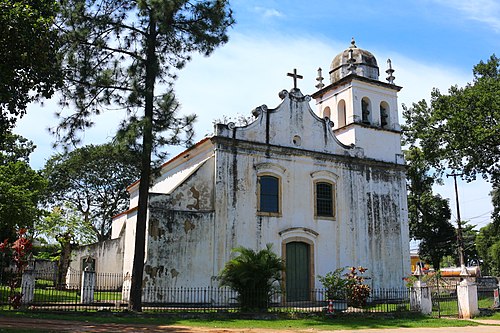
Duque de Caxias is a city located in the state of Rio de Janeiro, Brazil, situated approximately 25 kilometers northeast of downtown Rio de Janeiro. Established in 1943, the city is named after the prominent Brazilian military leader and politician, Luís Alves de Lima e Silva, known as Duque de Caxias. As part of the metropolitan region of Rio de Janeiro, Duque de Caxias plays a critical role in both the industrial and cultural landscape of the area. The city is home to a diverse population of over 900,000 residents, making it one of the most populous municipalities in Brazil.
Economically, Duque de Caxias is known for its significant industrial base, which includes sectors such as oil refining, chemicals, and metal manufacturing. The city is strategically positioned near important transportation hubs, including highways and railways, facilitating the movement of goods and contributing to its economic activities. The presence of the Petrobras oil refinery, one of the largest in the country, underscores the city's importance in Brazil's energy sector. Alongside its industrial base, Duque de Caxias is also characterized by its rich cultural diversity, reflected in its numerous cultural festivals, music, and culinary traditions.
Despite its economic strengths, Duque de Caxias faces challenges, including social inequality and urban development issues. The city has been the focus of various social programs aimed at improving living conditions for its residents, particularly in underserved communities. The local government has invested in infrastructure, education, and public safety initiatives to enhance the quality of life for its citizens. With its blend of industrial significance, cultural richness, and ongoing urban challenges, Duque de Caxias remains a vital part of Brazil's socio-economic fabric and a key player in the broader dynamics of the Rio de Janeiro metropolitan area.
Facts about Duque de Caxias
- Duque de Caxias is located in the state of Rio de Janeiro and is part of the Metropolitan Region of Rio de Janeiro, making it a crucial industrial hub in the region.
- The city was named after the Brazilian Army General Luis Alves de Lima e Silva, the Duke of Caxias, who played a significant role in the War of Paraguay and is a prominent figure in Brazilian history.
- Duque de Caxias hosts the largest railway yard in Latin America, known as the Caxias Yard, which plays a vital role in freight transportation and logistics.
- The city is known for its rich cultural heritage, particularly in Brazil's samba music scene, and hosts various samba schools that participate in the annual Carnaval festivities.
- Duque de Caxias has a diverse demographic, with a mix of people from different regions of Brazil, contributing to a unique blend of cultures and culinary traditions.
- The city is home to the famous Parque Natural Municipal de Duque de Caxias, a natural park that promotes environmental preservation and offers recreational activities for residents and visitors.
- Duque de Caxias was one of the first cities in Brazil to adopt a municipal policy of waste recycling, showing its commitment to sustainability and environmental awareness.
- The city has a significant historical landmark, the Igreja de São João Baptista, a church built in the colonial style that reflects the architectural history of the region.
- Duque de Caxias has a notable sports culture and is home to the professional football team, Duque de Caxias Futebol Clube, which competes in various state and national leagues.
- The city plays an important role in the Brazilian industrial sector, with several factories and companies, particularly in steel production, textiles, and food processing.