Durango, Spain
- 28,229 people
- 4 places to visit
- 43.1712, -2.6313
Places to Visit (4)
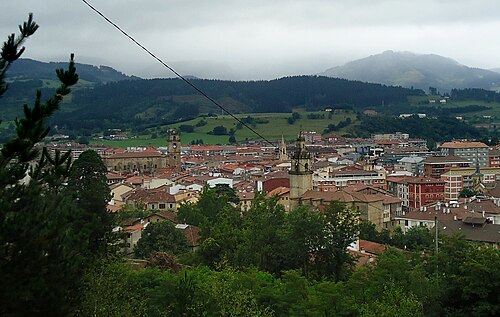
Durango is a municipality located in the province of Biscay, within the Basque Autonomous Community of Spain. Nestled in the scenic Urkiola Natural Park and near the Ibaizabal River, Durango is known for its picturesque landscapes and rich cultural heritage. Historically, it has served as an important commercial center due to its strategic location between Bilbao and the interior of Basque Country. The city's architecture is a blend of traditional Basque and modern styles, with notable structures including the Church of Santa Maria de Uribarri and the town hall, which exhibit the region's unique artistic identity.
Durango has a vibrant cultural scene influenced by its Basque roots. The city hosts various festivals throughout the year, with the most notable being the “Durangoko Azoka,” an annual fair dedicated to Basque culture, literature, and music. This event attracts thousands of visitors and showcases local artists, musicians, and authors, reinforcing the strong sense of community and cultural pride found in the city. Furthermore, Durango is surrounded by lush forests and mountains, making it an ideal destination for outdoor enthusiasts. Hiking, mountain biking, and other recreational activities draw both locals and tourists to explore the region's natural beauty and enjoy its mild climate.
Economically, Durango has transitioned from its traditional industries, such as iron and textiles, to a more diversified economy that includes services, commerce, and tourism. The city's modern infrastructure, combined with its historical significance and cultural offerings, makes Durango an attractive place to live and visit. The presence of educational institutions and initiatives supporting local businesses also contributes to its dynamic atmosphere. Overall, Durango captures the essence of the Basque Country's rich traditions while embracing modernity, making it a unique city within Spain.
Facts about Durango
- Durango is known for its well-preserved medieval architecture, particularly in the old town, which features narrow streets and traditional Basque houses.
- The city is famous for the 'Durango International Film and Human Rights Festival', which promotes projects centered on human rights and social justice.
- Durango is located in the Basque Country, making it a significant cultural center that showcases the unique traditions and language of the Basque people.
- The Durangoko Azoka, or Durango Book and Music Fair, is the largest event of its kind in the Basque Country, celebrating Basque literature and music every December.
- The iconic San Pedro Church, built in the 15th century, is a prominent landmark in Durango, showcasing a mix of Gothic and Baroque architectural styles.
- Durango has a rich historical significance as a center for traditional Basque crafts and industries, particularly in textiles and woodworking.
- The city is surrounded by stunning natural landscapes, including the Urkiola Natural Park, which offers hiking, cycling, and beautiful views of the Basque mountains.
- Durango was once a key location during the Spanish Civil War, serving as a base for significant military actions and resistance movements.
- The town has a unique urban heritage, recognized for its traditional 'plaza', which serves as a communal gathering space for festivals and events.
- Durango hosts numerous cultural festivals throughout the year, such as the 'San Fausto' festival, which celebrates the patron saint of the city with parades and traditional music.