Durrës, Albania
- 122,034 people
- 10 places to visit
- 41.3246, 19.4565
Places to Visit (10)
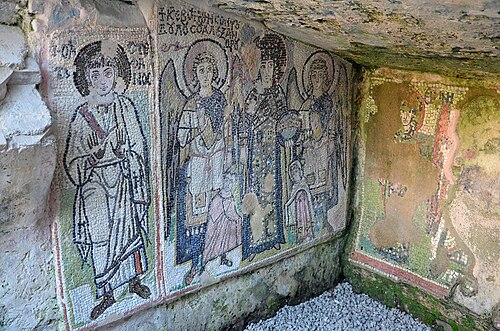
Durrës, one of the oldest cities in Albania, is located on the Adriatic Sea along the country's western coastline. Established in the 7th century BCE by Greek colonists from Corinth, it was originally named Epidamnos. This historic city has played a significant role throughout various periods, serving as a vital trading post during Roman and Byzantine times. Durrës' strategic location made it a key point for trade and military movements in the Mediterranean, facilitating the exchange of goods, culture, and ideas. The city's rich history is showcased through its ancient ruins, including the well-preserved Roman amphitheater, which is one of the largest in the Balkans, as well as remnants of Roman walls, which illustrate its historical significance.
Today, Durrës is Albania's second-largest city and an important economic hub, characterized by its bustling port, which is one of the busiest in the Adriatic Basin. The port supports both commercial activities and passenger traffic, contributing significantly to the local economy. Durrës is also renowned for its beautiful beaches, attracting tourists from both Albania and abroad, particularly in the summer months. The city's promenade is lined with cafes, restaurants, and hotels, creating a vibrant atmosphere for visitors. Despite undergoing rapid urbanization and development, Durrës has managed to retain its historical charm, balancing modern life with its rich heritage. This blend of ancient history, economic vitality, and natural beauty makes Durrës a unique and captivating destination within Albania.
Facts about Durrës
- Durrës is home to one of the largest amphitheaters in the Balkans, built in the 2nd century AD, which could accommodate around 20,000 spectators.
- The city has a long history as a vital trading port, dating back to its founding by the Greeks in the 7th century BC, known as Epidamnos.
- Durrës possesses the oldest active port in Albania, making it a significant maritime hub for the country since ancient times.
- The city is known for its impressive Venetian Tower, which dates back to the 15th century and showcases the Venetian influence during Albania's coastal history.
- Durrës is famous for its long sandy beaches, which attract many domestic and international tourists, distinguishing it as a summer destination in Albania.
- The Archaeological Museum of Durrës is one of the most important in Albania and houses significant artifacts from the city’s history, including ancient Roman mosaics.
- Durrës was the location of the first Albanian international fair, which was held in 1921, symbolizing the city’s role in promoting trade and commerce.
- The city has a unique blend of architectural styles due to its historical interactions with various empires, including Roman, Byzantine, and Ottoman influences.
- Durrës is known for its vibrant nightlife and cultural scene, offering numerous cafes, restaurants, and music venues along its coastal promenade.
- The city hosts the Durrës Film Festival, which showcases local and international cinema, contributing to its cultural representation in the film industry.