Dushanbe, Tajikistan
- 679,400 people
- 4 places to visit
- 38.5598, 68.787
Places to Visit (4)
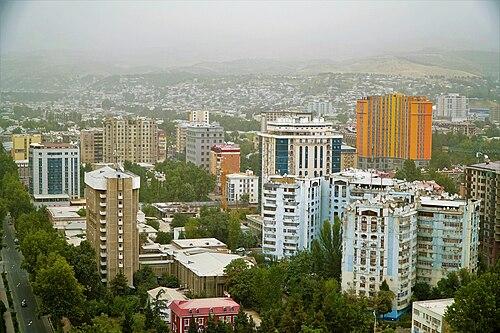
Dushanbe, the capital and largest city of Tajikistan, lies in the southwest part of the country near the Gissar Valley. Established in the 1920s as a small village, it quickly transformed into a regional administrative center under Soviet influence. Today, Dushanbe is characterized by its blend of Soviet-era architecture and modern developments. The city's population is approximately 900,000, making it a cultural and economic hub in Central Asia. Historically, it served as a trading post on the ancient Silk Road, facilitating commerce and cultural exchange between various civilizations.
Dushanbe is known for its vibrant cultural scene, which includes theaters, museums, and parks that highlight the rich history of Tajikistan. Iconic landmarks such as the Ismoil Somoni Monument, a tribute to the founder of the Tajik state, and the National Museum of Tajikistan, which showcases the country’s heritage and arts, are prominent attractions. The city also features modern infrastructure, including wide boulevards and high-rise buildings, alongside traditional bazaars that offer a glimpse into local life. Additionally, Dushanbe hosts numerous annual festivals and events that celebrate Tajik culture, music, and cuisine, making it a lively destination for both residents and visitors.
Economically, Dushanbe plays a crucial role in Tajikistan's development, contributing significantly to the national economy. The city is a center for education, healthcare, and government administration. Challenges such as unemployment, a lack of infrastructure, and environmental issues persist, stemming from the nation’s post-Soviet transition. However, Dushanbe continues to strive towards modernization and growth, fostering international relations and promoting tourism. Despite its challenges, Dushanbe stands as a symbol of resilience, reflecting the unique identity of Tajikistan amidst the influences of its varied history and culture.
Facts about Dushanbe
- Dushanbe is the capital and largest city of Tajikistan, known for being the political and economic center of the country.
- The name 'Dushanbe' means 'Monday' in Persian, reflecting the city's origins as a small market town that held a weekly bazaar on Mondays.
- Dushanbe is home to the world's largest statue of a sitting Buddha, located in the national museum, which is a significant cultural treasure.
- The city features the impressive Dushanbe Flag Pole, which at 165 meters tall, was the tallest flagpole in the world when it was completed in 2011.
- Dushanbe is known for its lush green parks and expansive boulevards, with the Rudaki Park and Victory Park being major attractions for both locals and tourists.
- The city has a unique blend of Soviet-era architecture and traditional Tajik buildings, showcasing its diverse historical influences.
- Dushanbe hosts the annual Dushanbe International Festival, which celebrates cultural diversity and features performances, exhibitions, and food from various countries.
- An important cultural institution in Dushanbe is the State Academic Opera and Ballet Theatre, which showcases performances of both traditional Tajik and international works.
- The city is the starting point for many travelers exploring the stunning Pamir Mountains, known as the 'Roof of the World,' which are located to the southeast of Dushanbe.
- Dushanbe is also known for its vibrant market life, particularly the Siyoh, a large bazaar where visitors can experience local produce, handicrafts, and food unique to Tajik culture.